
Introduction
Raffles remain one of the most popular and effective fundraising tools simple to run yet capable of generating surprisingly strong donations. But a successful raffle doesn’t arise by accident. It requires strategy, clear planning, and careful execution.
Whether you’re organizing a school fundraiser, community event, nonprofit drive, or charity gala this guide walks you step-by-step through everything you need to know to hold a raffle that delivers great results, builds trust with donors, and maximizes your impact.
Understanding Raffle Types – Choose What Fits Your Event and Audience
Not all raffles are the same. The format you choose can influence appeal, revenue, logistics, and compliance. Some common types:
-
Traditional ticket raffle – attendees buy one or more tickets; winners drawn randomly. Simple, tried and true.
-
Bundle-ticket raffle – discounted bundles (e.g., 3 for $20, 10 for $50) encourage higher volume purchases.
-
50/50 raffle – half of proceeds go to winner, half to your cause. Great for small events where big prizes aren’t available.
-
Reverse / premium-prize raffle – fewer tickets sold at higher price, often for high-value prize(s). Works when target audience expects quality over quantity.
-
Hybrid raffle + other fundraiser – combine raffle with silent auction, charity dinner, community fair etc., to maximize engagement and value.
-
Online raffle / sweepstakes (if legally allowed) – can expand reach, especially for large or distributed communities — but be sure to check local regulations.
Choosing the right type helps match your audience, fundraising goals, and logistical capacity.
Know Your Legal & Compliance Obligations
Raffles often fall under lottery or gambling laws. Non-compliance can lead to serious consequences. A few key compliance guidelines (though you must check local laws relevant to your region):
-
If your raffle is part of another event (like a charity dinner, fair or community gathering), it may qualify as an “incidental lottery” — often requiring no licence.
-
Typical restrictions under “incidental lottery”:
-
Tickets must only be sold on-site and during the event.
-
No online or advance ticket sales — unless you obtain proper license/permit.
-
Prize value and expenses (ticket printing, organization) might be capped. For example: some guidelines suggest not spending more than £500 on prizes.
-
-
If you plan a public raffle (open to general public, selling tickets ahead of time, online, or across multiple locations), you may need proper licensing or registration with local authority.
-
Collect and maintain proper records: ticket sales, ticket numbers, money received, prize winners, contact info (if applicable), and receipts/expense records. This protects transparency and helps with audits or reporting.
-
Consider data privacy if collecting names/contact details: only collect what’s necessary; store securely; and ensure participants consent to how their data will be used.
Bottom line: Know and follow your local rules. When in doubt, contact relevant authorities or consult legal counsel — better safe than sorry.
Set Clear Goals & Budget: Plan With Purpose
Before raffle tickets go on sale, get clarity on what you aim to achieve, and what you have to spend. This helps keep things realistic and effective.
-
Define your fundraising target how much you hope to raise overall (after costs), and what the funds will support.
-
Estimate costs for printing tickets, prizes, promotional materials, volunteer expenses or venue fees.
-
Project ticket sales needed using a simple formula:
-
Decide raffle type and prize strategy accordingly high target + small audience = maybe a smaller prize or 50/50 raffle; large audience + modest target = bundle tickets with many lower-cost prizes, etc.
-
Have a backup plan if ticket sales are lower than expected e.g., extra promotion, prize value adjustment, extending sales (if allowed).
Setting goals and budget early helps you stay focused and avoid surprises.
Choose Prizes That Resonate
Your prizes are the heartbeat of your raffle — they generate excitement and motivate people to buy tickets.
-
Quality over quantity: A few high-value or desirable prizes usually perform better than many small, low-value items. This increases perceived value and urgency — a principle echoed by professional fundraisers.
-
Good prize ideas:
-
Vouchers (local restaurants, retailers)
-
Experience packages (spa days, local tours, event tickets)
-
Electronics or gadgets (if appropriate for your audience)
-
Gift hampers or themed baskets
-
Unique local items or handmade goods
-
Sponsor-donated items — often win-win: donor gets publicity, you get prize value at low cost
-
-
Engage local businesses & sponsors: Reach out early with a pitch explaining the cause, what publicity they’d get, how their donation helps — many small businesses are happy to contribute if they see value.
-
Match prizes to audience & cause: Know who your participants are families, young adults, donors, community members, etc. — and choose prizes accordingly. A prize that appeals to retirees might differ from what young professionals want.
Smart Ticket Pricing & Sales Strategy
How you price and sell tickets can dramatically influence your revenue — done right, it can boost earnings without increasing costs proportionally.
-
Pricing best practices: Choose price points that reflect your audience’s willingness and socio-economic background. Keep it accessible yet worthwhile.
-
Bundle / Tiered pricing: Offer bundles like “3 tickets for $20” or “10 for $50” — encourages bulk purchase and increases revenue per buyer while giving perceived value. AmFund recommends this approach.
-
Advanced pricing ideas:
-
Early-bird discounts (first few tickets or first 24–48 hours)
-
VIP packages (include extra perks: e.g., recognition, dinner, bonus entries)
-
Corporate / group bundles (for companies, sponsors, families)
-
-
Payment methods: While cash is still common in many places, consider offering alternatives (card, mobile payment, online) if permitted — this reduces friction and can boost sales.
-
Transparency in pricing: Keep it simple and clear. Avoid confusing deals (e.g., “12 for price of 10” might be problematic under some regulations) unless clearly permissible.
Marketing & Promotion: Building Anticipation and Reach
Even the best raffle won’t succeed without good promotion. Try these tactics to build excitement and attract ticket buyers:
-
Pre-event promotion: Use social media, email newsletters, community networks, local newspapers, and flyers. Highlight the cause, the prizes, and the impact of funds raised.
-
Storytelling & cause connection: Share why you’re raising funds whether for a school, community project, charity — and how winning prizes helps a bigger goal. Emotional connection motivates giving.
-
Highlight prizes and value: Use photos, descriptions, even short videos of prizes. People respond visually — seeing what they could win increases motivation.
-
Social proof & donor/sponsor visibility: Acknowledge sponsors, local businesses, and early supporters publicly (with their permission). This builds credibility and encourages others to join.
-
Early-purchase incentives: Use bundles, limited-time offers, “first 50” discounts, or “VIP early bird” perks to push early sales.
-
On-site promotion: At the event, display prizes prominently; set up a clear, attractive ticket booth; use visible indicators for prior buyers (e.g., badges, stickers). The “blue dot” trick from AmFund is a clever low-cost tactic.
Volunteer & Operations Management
Volunteers are the engine of any raffle — treating them as a resource and organizing them properly can make or break your fundraiser.
-
Roles & responsibilities: Define clear volunteer roles: ticket sellers, money collectors, record-keepers, draw managers, prize distributors, post-event cleanup.
-
Recruiting & training: Provide a short script for sellers; ensure volunteers know the pricing, prizes, raffle purpose, and process; role-play if possible.
-
Sales process and control:
-
Pair volunteers: one sells, one handles money & tickets — improves speed and accountability, reduces errors. Inspired by AmFund’s approach.
-
Use printed tickets (or pre-numbered ticket rolls), consider colour-coding if many tickets / lots to avoid duplication.
-
Maintain a ticket log: ticket number, purchaser name/contact (if needed), number of tickets, amount paid. Helps for draw, claims, and audit later.
-
-
Money handling & security: Use secure containers, avoid letting one person handle tickets + money + draw; separate roles for checks and balances.
-
Data collection & privacy: Collect only necessary information, store securely, and respect privacy. If you plan follow-up (e.g., notifying winners), make sure you have consent.
Running the Draw: Fair, Fun & Transparent
The draw itself is a key moment — done well, it builds trust and excitement; done poorly, it can leave doubts.
-
Draw method: Use a physical raffle drum or transparent container — or digital randomizer if appropriate. Physical containers increase transparency and trust.
-
Announce winners clearly: Depending on format and event — live draw during event or announcement after (but communicate date/time upfront).
-
Prize distribution: Decide if winners get prizes immediately (ideal) or claim later — if later, have a verification process (ticket stub, ID, contact info).
-
Avoid leftovers or roll-overs: All tickets should be accounted for, and all prizes awarded (or clearly explained). No “we’ll draw later” unless legal/allowed. Many organizations stipulate that for incidental raffle.
Post-Raffle Follow-Up & Donor/Sponsor Engagement
Your work doesn’t end when the draw is done. Post-event engagement helps build long-term trust and sets the stage for future fundraisers.
-
Thank you messages: Send personalized thank-yous to ticket buyers, donors, sponsors, volunteers. A simple email or card goes a long way.
-
Impact reporting: Share how much was raised, how funds will be used, and success stories (if applicable). Transparency builds credibility and encourages repeat support.
-
Maintain donor/sponsor database: Keep contacts, preferences, and donation history — useful for future raffles or fundraising events.
-
Collect feedback: Ask participants what they liked/didn’t like — helps improve future raffles. Even a short survey helps refine processes.
Common Mistakes & How to Avoid Them
| Mistake | Consequence | How to Avoid It |
|---|---|---|
| Underestimating costs (ticket printing, promotion, volunteer time) | Could eat into or wipe out profits | Plan realistic budget upfront; track all expenses |
| Offering too many low-value prizes | Dilutes perceived value — fewer ticket sales | Focus on fewer high-value or desirable prizes |
| Weak or late promotion | Low participation, low ticket sales | Promote early via multiple channels; use storytelling & visuals |
| Poor record-keeping/ money mismanagement | Confusion, mistrust, potential disputes | Use ticket logs, separate roles for sales & finance, document every sale |
| Ignoring legal/regulation requirements | Risk of fines, event cancellation, reputational harm | Research local laws; get necessary licences if needed |
| No post-event follow-up | Missed opportunity to build long-term relationships | Send thank-yous, report impact, collect feedback |
Sample Pre-Event Checklist (for organisers)
-
Confirm legal/regulatory requirements and secure any necessary license or permission
-
Define fundraising goal, budget, ticket pricing, and raffle type
-
Secure prizes – solicit from local businesses or sponsors
-
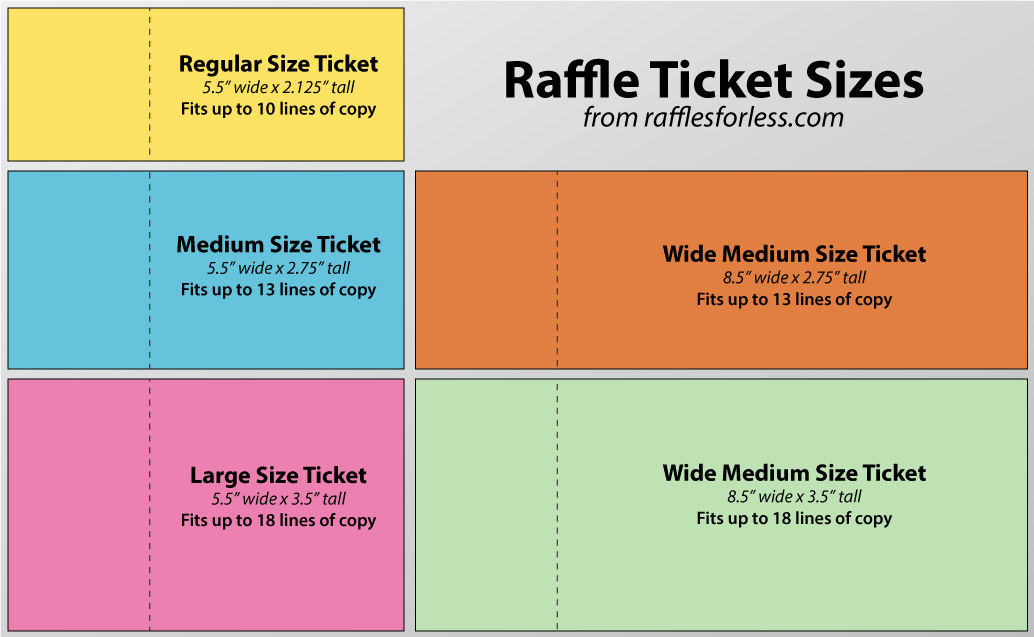
Design and print tickets (or prepare ticket rolls), including ticket numbers
-
Recruit and train volunteers, assign roles
-
Plan promotion social media, email, flyers, community outreach
-
Prepare sales materials price list, prize display, marketing copy, signage
-
Set up ticket log & record-keeping system
-
Plan draw method and winner announcement format
-
Plan post-event communication: thank-you messages, donor tracking, outcome report
Conclusion
A well-run raffle is more than a “quick fundraiser.” When planned with purpose, run transparently, and promoted carefully, a raffle can become a powerful tool — raising funds, building community engagement, and strengthening donor relationships.
By choosing the right raffle type, pricing strategically, managing volunteers and operations efficiently, and engaging supporters before and after the draw, your raffle can exceed expectations and set the foundation for future fundraising success.
Use this guide to transform your next raffle from “just another fundraiser” into a polished, high-impact event — and watch the generosity flow.
Frequently Asked Questions (FAQ)
Q: Do I always need a license to hold a raffle?
A: Not necessarily. If your raffle is part of a larger in-person event (e.g., community fair, charity dinner), and tickets are sold on-site during the event only, you may qualify as an “incidental lottery,” which often doesn’t require a licence. However, laws vary by region always check with local authorities.
Q: Can I sell raffle tickets online or before the event?
A: Only if permitted by your local gambling/lottery regulations and you have the required license. Many jurisdictions prohibit pre-event or online sales unless properly licensed.
Q: What types of prizes work best for a fundraising raffle?
A: Prizes that appeal to your audience and have perceived value – e.g., vouchers, experiences, electronics, gift hampers, or donated items from local businesses. A few high-value, desirable prizes usually outperform many low-value ones.
Q: How should I price raffle tickets to maximize sales?
A: Use a mix of single-ticket and bundle / tiered pricing to give buyers flexibility. Bundle pricing (e.g., 3 for $20, 10 for $50) often encourages bulk buying and increases revenue. Tailor pricing to your audience’s capacity and event type.
Q: How can I ensure the raffle draw is fair and transparent?
A: Use an objective draw method (e.g., physical drum, transparent container, or digital randomizer), announce draw date/time in advance, keep all ticket/entry records, and have a process for verification and prize claims.