If you’re wondering how much to charge for raffle tickets, you’re not alone. Setting the right price can make the difference between a fundraiser that exceeds its goal and one that struggles to sell tickets. Charge too much, and people may hesitate to participate. Charge too little, and you could leave valuable fundraising dollars on the table.
Whether you’re organizing a school fundraiser, nonprofit event, church raffle, sports team fundraiser, or community charity event, finding the ideal ticket price requires balancing affordability with your fundraising goals.
In this guide, you’ll learn how to price raffle tickets, discover common raffle ticket prices, explore proven pricing strategies, and see real-world examples that help maximize ticket sales while increasing donations.
What Is the Best Price for Raffle Tickets?
The best price depends on your audience, prize value, and fundraising goal. Most organizations charge between $1 and $20 per ticket, while offering discounts for purchasing multiple tickets.
Typical pricing includes:
| Event Type | Typical Ticket Price |
| School Fundraiser | $1–$5 |
| Church Event | $2–$10 |
| Sports Team Fundraiser | $2–$10 |
| Community Charity Event | $5–$20 |
| Luxury Prize Raffle | $20–$100+ |
Offering bundle deals, such as 1 ticket for $5, 3 for $10, or 10 for $20, encourages supporters to purchase more while increasing your overall fundraising revenue.
Why Raffle Ticket Pricing Matters
Your raffle ticket price influences:
- Total ticket sales
- Overall fundraising revenue
- Donor participation
- Perceived prize value
- Event excitement
- Return participation
The goal isn’t simply selling the most expensive tickets—it’s finding the price point where the most people are willing to participate.
For example:
- Selling 600 tickets at $2 generates $1,200.
- Selling 250 tickets at $5 generates $1,250.
Even though fewer tickets are sold, the fundraiser earns slightly more. Testing different pricing strategies can help identify the sweet spot for your audience.
Factors That Affect How Much to Charge for Raffle Tickets
Every fundraiser is different. Before deciding on a price, consider these key factors.
1. Prize Value
One of the biggest influences on raffle ticket prices for fundraiser events is the value of the prize.
Examples include:
- Gift basket: $50–$150
- Restaurant gift cards: $100–$300
- Electronics: $500+
- Vacation package: $2,000+
- Cash raffle: Depends on local laws
Higher-value prizes generally justify higher ticket prices, but affordability should always remain a priority.
2. Your Audience
Think about who will be buying tickets.
For example:
- Parents at school events often expect lower prices.
- Corporate fundraising events may support premium pricing.
- Charity gala attendees are usually willing to spend more.
- Community festivals often benefit from affordable pricing.
Understanding your audience helps you choose pricing that encourages participation rather than discouraging it.
3. Fundraising Goal
Calculate your revenue target before setting prices.
For example:
Goal: $5,000
Option A:
- $5 tickets
- Need approximately 1,000 ticket sales
Option B:
- $10 tickets
- Need approximately 500 ticket sales
Choose the pricing strategy that’s realistic based on your expected attendance and community support.
4. Number of Prizes
Multiple prizes often increase ticket sales because participants feel they have a better chance of winning.
Examples include:
- Grand Prize
- Second Prize
- Third Prize
- Bonus Door Prize
Adding several attractive prizes can make even moderately priced tickets feel like a great value.
Common Raffle Ticket Prices
If you’re researching common raffle ticket prices, these are among the most popular pricing structures used by nonprofits and community organizations across the United States.
| Pricing Option | Best For |
| $1 each | Schools, small fundraisers |
| $2 each | Community events |
| $5 each | Churches, nonprofits |
| $10 each | Premium prizes |
| $20 each | Luxury fundraising events |
Many successful fundraisers also use volume discounts.
Example:
| Quantity | Price |
| 1 Ticket | $5 |
| 3 Tickets | $10 |
| 10 Tickets | $25 |
| 25 Tickets | $50 |
Bundle pricing encourages larger purchases without making supporters feel pressured.
How to Price Raffle Tickets for a Fundraiser
If you’re unsure how to price raffle tickets for a fundraiser, follow these simple steps.
Step 1: Calculate Prize Costs
Add together:
- Prize expenses
- Printing costs
- Marketing
- Event expenses
Knowing your total costs helps determine the minimum revenue needed to make your fundraiser successful.
Step 2: Estimate Attendance
Consider:
- Previous event attendance
- Organization size
- Social media reach
- Community engagement
A realistic attendance estimate helps you avoid pricing tickets too high.
Step 3: Set Your Revenue Goal
Decide exactly how much you want to raise.
For example:
- School trip
- Sports uniforms
- Church renovations
- Charity donations
- Community projects
Clear goals make it easier to calculate the ideal ticket price.
Step 4: Offer Multi-Ticket Discounts
One of the easiest ways to increase fundraising revenue is through bundle pricing.
Examples:
- $2 each
- 3 for $5
- 10 for $15
People naturally spend more when they see greater value in purchasing multiple tickets.
Raffle Ticket Pricing Ideas
Need inspiration? Here are several raffle ticket pricing ideas that work well for different fundraising events.
Traditional Pricing
- $1 each
- 6 for $5
- 15 for $10
Great for schools and local community fundraisers.
Premium Pricing
- $10 each
- 3 for $25
- 5 for $40
Ideal for high-value prizes or gala events.
Early Bird Discounts
Offer discounted ticket bundles before the event to encourage early participation and improve cash flow.
VIP Packages
Include raffle tickets as part of sponsorship packages or premium event admissions.
Example Pricing Scenarios
School Fundraiser
Prize:
Family entertainment basket worth $250
Pricing:
- 1 ticket = $2
- 3 tickets = $5
- 10 tickets = $15
Affordable pricing encourages parents, teachers, and students to participate.
Charity Gala
Prize:
Luxury weekend getaway worth $3,000
Pricing:
- $20 each
- 3 for $50
- 10 for $150
Premium pricing matches the prize value while maximizing fundraising potential.
Basket Raffle
Wondering how much to charge for basket raffle tickets?
Basket raffles usually perform well with lower-priced tickets because attendees often enter multiple drawings.
A common structure is:
- 1 ticket = $1
- 6 tickets = $5
- 15 tickets = $10
This pricing encourages guests to spread their chances across several baskets while increasing total ticket sales.
Best Practices for Maximizing Ticket Sales
Pricing is only one part of a successful fundraiser. These proven strategies can help you sell more tickets:
- Offer bundle discounts to increase the average purchase.
- Display prizes prominently at your event and online.
- Share your fundraiser on social media before and during the campaign.
- Explain how the funds will benefit your cause.
- Accept both cash and digital payments to make buying tickets easy.
- Create urgency with limited-time promotions or early-bird offers.
- Train volunteers to confidently explain the value of the raffle and the impact of each purchase.
Supporters are more likely to participate when they understand how their contribution helps your organization and when buying tickets is quick and convenient.
Conclusion
Choosing how much to charge for raffle tickets isn’t about finding one perfect price—it’s about matching your ticket cost to your audience, your prizes, and your fundraising goals. Most successful fundraisers use affordable individual prices combined with multi-ticket bundles to encourage larger purchases and maximize revenue.
Whether you’re planning a school raffle, church fundraiser, community event, or charity gala, thoughtful pricing can increase participation, boost donations, and create a more successful event. Start with a realistic goal, offer attractive bundle deals, and make it easy for supporters to contribute. With the right strategy, your raffle can raise more funds while delivering a fun and rewarding experience for everyone involved.
Frequently Asked Questions
1. What is the average price of raffle tickets?
Most raffle tickets cost between $1 and $10, although premium fundraising events with high-value prizes may charge $20 or more per ticket.
2. How much to sell raffle tickets for at a school fundraiser?
For school fundraisers, pricing between $1 and $5 per ticket is common because it keeps participation affordable for families.
3. What are the most common raffle ticket prices?
Popular pricing structures include $1, $2, $5, and $10 tickets, often paired with bundle discounts such as 3 for $5 or 10 for $20.
4. Should I offer discounts for buying multiple raffle tickets?
Yes. Multi-ticket bundles encourage larger purchases, increase average order value, and often generate more total revenue than selling only individual tickets.
5. How do I price raffle tickets for expensive prizes?
When offering high-value prizes like vacations or electronics, slightly higher ticket prices can be appropriate, provided they still fit your audience’s budget.
6. How many raffle tickets should I print?
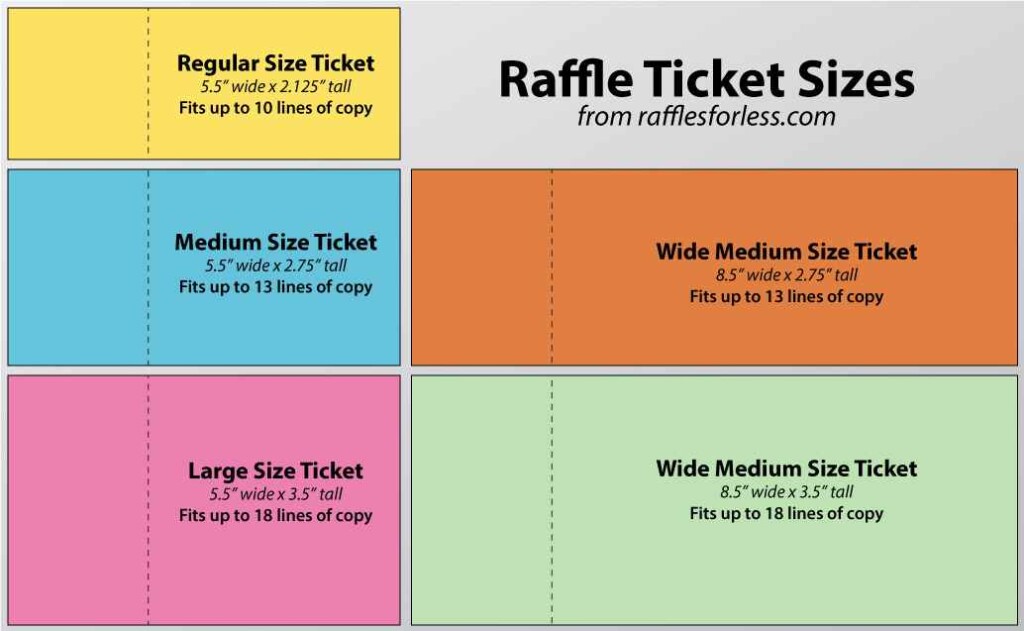
Print enough tickets to exceed your expected sales while leaving room for additional demand. Numbered tickets also help with organization and prize drawings.
7. Are online raffles priced differently?
The pricing strategy is usually similar, but online raffles often benefit from digital promotions and easy payment options that can increase ticket sales.
8. What’s the best raffle ticket pricing strategy?
The most effective strategy combines affordable individual ticket prices with attractive bundle offers, making it easy for supporters to purchase more while helping your fundraiser reach its goals.