What Is a Raffle Ticket?
A raffle ticket is a numbered ticket sold for a chance to win a prize through a random drawing. Organizations, charities, schools, and businesses use raffle tickets to raise funds, promote events, and increase community engagement.
A well-designed raffle ticket does more than provide entry into a drawing. It clearly communicates important information, builds trust, and helps organizers run a smooth and successful raffle.
If you’re planning your first fundraiser, you may be wondering what information to include on a raffle ticket. Including the right details can improve ticket sales, prevent confusion, and ensure participants have everything they need.
Why Is It Important to Include Complete Raffle Details?
Every raffle ticket should contain clear and accurate information. Missing details can create confusion, make it difficult to contact winners, and even cause compliance issues depending on local regulations.
A professionally designed raffle ticket should:
- Clearly explain the purpose of the raffle
- Provide event and prize information
- Help identify winning tickets
- Include legal notices and terms
- Build credibility and trust with participants
Below are the ten essential details every raffle ticket should include.
1. Include a Clear Title or Event Name
The first thing participants should see is that the ticket is for a raffle. Include the word “Raffle” prominently on the ticket along with the event name or fundraising cause.
Examples:
- Community Fundraising Raffle
- Annual School Raffle
- Charity Raffle for Children’s Programs
A clear title instantly tells participants what the ticket is for and can encourage more people to participate.
2. Add a Unique Ticket Number
A unique ticket number is one of the most important elements of any raffle ticket.
Sequential numbering helps:
- Identify winners quickly
- Organize ticket entries
- Prevent disputes
- Track ticket sales
Even if participants forget to write their contact information, the ticket number can still help organizers verify entries during the drawing.
3. Include the Date and Time of the Drawing
Participants should know exactly when the raffle drawing will occur.
Include:
- Drawing date
- Drawing time
- Drawing location, if applicable
Providing this information helps participants stay informed and builds trust in your raffle process.
4. Clearly Display the Ticket Price
The ticket price should be easy to see.
Many organizations make the price larger or bolder than the surrounding text because it helps buyers make quick purchasing decisions.
Examples:
- $5 Per Ticket
- 3 Tickets for $10
- 10 Tickets for $25
If multiple pricing options are available, list them clearly on the ticket.
5. List the Prize Information
Prizes are often the main reason people purchase raffle tickets.
Include:
- Grand prize
- Secondary prizes
- Brief descriptions of prizes
Examples:
- Grand Prize: $1,000 Cash
- Second Prize: Smart TV
- Third Prize: Gift Basket
Highlighting attractive prizes can significantly increase raffle ticket sales.
6. Add Organization Details
Include information about the organization running the raffle.
Important details include:
- Organization name
- Phone number
- Website
- Email address
Organization details help establish credibility and provide participants with a way to ask questions or verify information.
7. Include Terms and Conditions
Every raffle should include basic terms and conditions.
Typical information includes:
- Eligibility requirements
- Age restrictions
- Refund policy
- Prize claim instructions
- Drawing procedures
Some organizations print detailed terms and conditions on the back of the raffle ticket if space is limited.
8. Add Legal Disclaimers
Legal requirements vary depending on your location, so always review local laws before printing tickets.
One commonly used disclaimer is:
Winner Need Not Be Present to Win
This statement informs participants that they do not have to attend the drawing to claim a prize. In some areas, including this disclaimer may be legally required.
You may also want to include statements such as:
- Ticket purchase does not guarantee winning.
- All decisions of the organizers are final.
- Void where prohibited by law.
9. Include a Stub or Removable Section
Many raffle tickets include a detachable stub.
The ticket stub typically contains:
- Participant name
- Phone number
- Email address
- Ticket number
The detachable section is usually placed into the drawing container while the buyer keeps the other portion of the ticket.
Which Part of the Raffle Ticket Do I Keep?
In most raffles, participants keep the main ticket as proof of purchase, while the organizer keeps the detachable stub for the drawing. Always provide clear instructions on the ticket so participants know which section to retain.
10. Use Professional Branding and Design Elements
The design of your raffle ticket can directly influence ticket sales.
Some effective raffle ticket ideas include:
- Using your organization’s colors
- Adding logos and branding elements
- Including high-quality images
- Using bold typography for prizes and pricing
- Creating a clean and easy-to-read layout
An attractive design helps your raffle stand out and creates a professional impression.
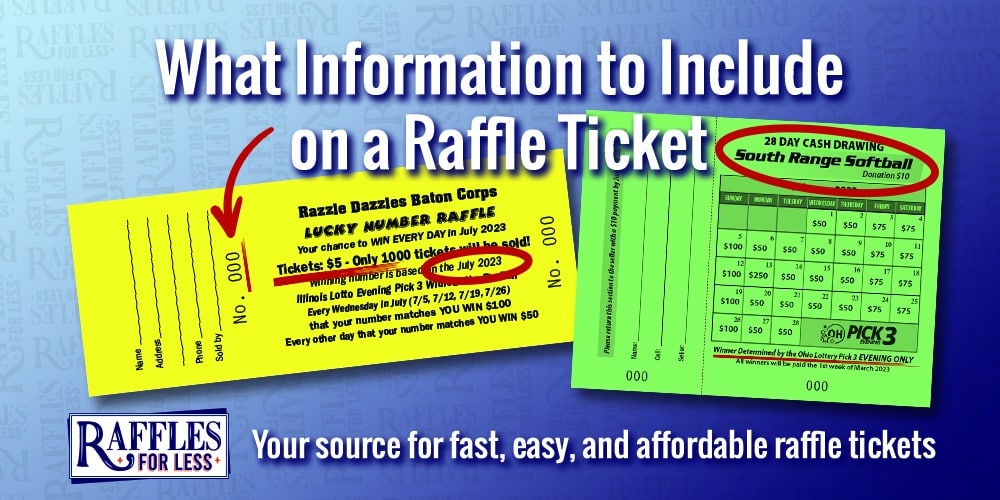
Raffle Ticket Sample Layout
A basic raffle ticket may include:
- Event name
- Ticket number
- Date and time of drawing
- Ticket price
- Prize details
- Organization information
- Terms and conditions
- Legal disclaimers
- Participant contact information
- Detachable ticket stub
This simple structure provides all the essential raffle details while remaining easy to read.
Final Thoughts
Understanding what information to include on a raffle ticket is essential for running a successful fundraising event. A professionally designed raffle ticket should contain clear raffle details, unique ticket numbers, prize information, terms and conditions, and legal notices such as “Winner Need Not Be Present to Win.”
By including all the necessary information and using thoughtful raffle ticket ideas, you can create tickets that look professional, build trust with participants, and help maximize ticket sales and fundraising success.