Introduction to Raffle Tickets
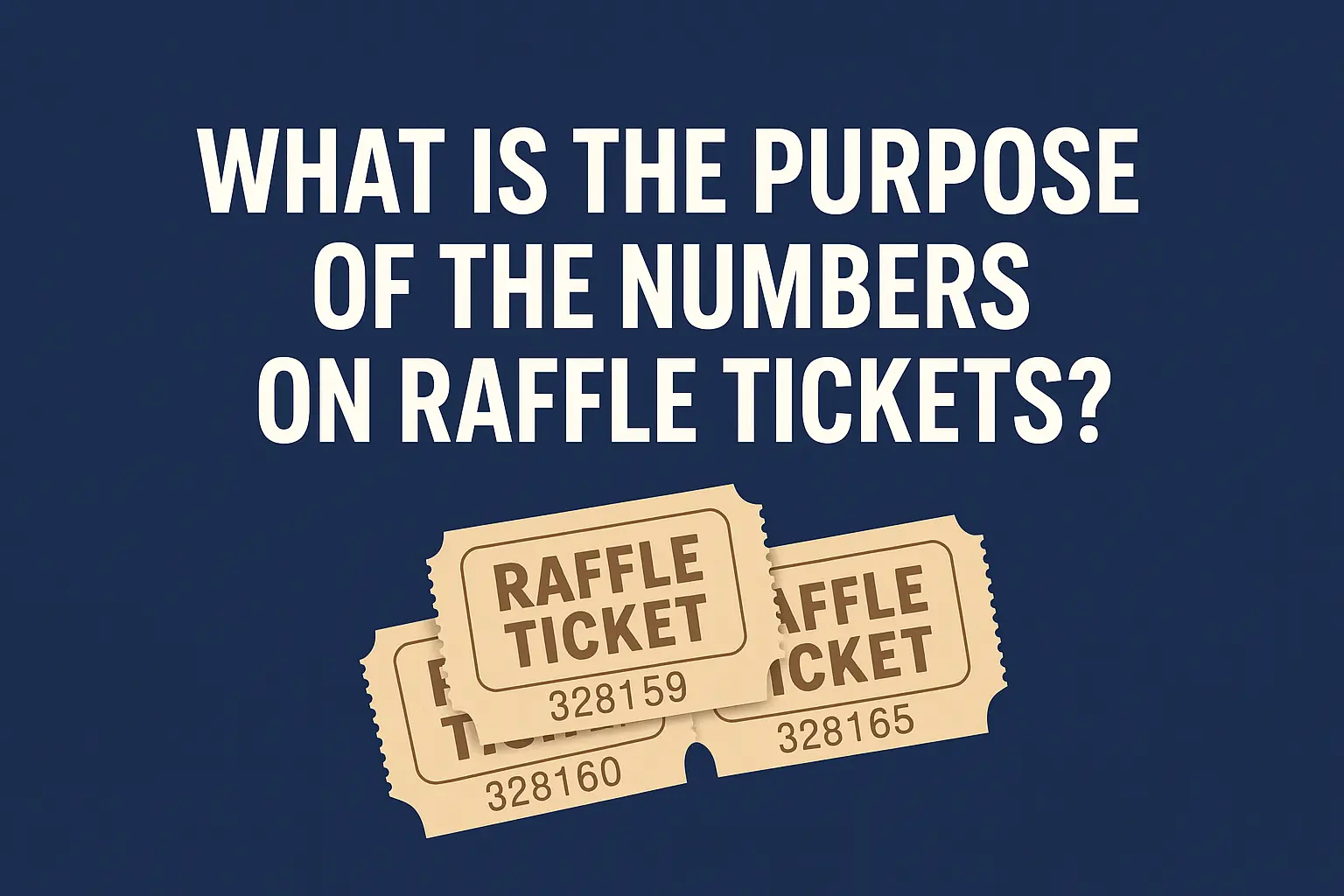
Raffle tickets may look simple, but the numbers printed on them play a critical role in how raffles work. Whether it’s a school fundraiser, nonprofit charity drawing, or community event, the unique ticket numbers ensure fairness, transparency, and security throughout the entire process. Understanding what the purpose of the numbers on raffle tickets is helps both organizers and participants feel confident that every entry has a fair and equal chance of being selected.
Below, we break down exactly why those numbers matter, how numbering systems work, and how modern tools—including random number generation and ticket management software—keep raffles running smoothly.
The Importance of Ticket Numbering
1. Ensuring Fairness in Draws
The primary purpose of numbers on raffle tickets is to guarantee a fair and unbiased drawing. Each ticket receives a unique identifier, ensuring that:
-
Every ticket has an equal chance of being pulled
-
Winners can be chosen without confusion
-
Drawings are transparent and verifiable
Whether the draw is done manually from a bowl or digitally through random number generation, numbering ensures that winners are selected based solely on chance.
2. Tracking and Management
From an event organizer’s perspective, numbering is essential for:
-
Tracking how many tickets were printed
-
Monitoring how many tickets were sold
-
Managing unsold or voided numbers
-
Ensuring the correct number of entries in the final drawing
The ticket numbering system provides a built-in audit trail. This makes it easier to spot discrepancies, manage large events, and maintain orderly records.
3. Preventing Fraud
Unique numbers help prevent duplication and counterfeiting. Without a controlled numbering system, it would be easy for someone to create unauthorized copies of winning tickets.
Proper numbering allows organizers to:
-
Verify legitimate tickets
-
Spot duplicates
-
Validate winners
-
Maintain trust with participants
This security aspect becomes even more important for large raffles with high-value prizes.
Understanding Ticket Numbering Systems
1. Types of Numbering Systems
Different raffles use different numbering systems depending on the event size and format:
Sequential Numbering
-
The most common style
-
Tickets start at 001 and increase in order
-
Ideal for physical ticket rolls or booklets
Randomized Numbering
-
Used primarily in digital raffles
-
Ensures a highly unpredictable drawing
-
Increases fairness by preventing any perceived patterns
Barcode or QR Numbering
-
Combines a printed ticket number with digital validation
-
Widely used in hybrid or fully digital raffle systems
-
Helps track entries and verify winners quickly
All of these styles fall under the broader category of a ticket numbering system, which ensures unique identification for each entry.
2. How Random Number Generation Works
In digital raffles, winners are often selected using random number generation (RNG). RNG algorithms:
-
Produce unpredictable results
-
Remove potential human bias
-
Select winners based solely on probability
This technology mirrors the systems used in online lotteries and sweepstakes, offering a high level of fairness and transparency. Choosing a raffle platform that uses proven RNG methods can significantly boost participant trust.
Enhancing Lottery Ticket Design
1. How Design Impacts Perception
Good lottery ticket design goes beyond aesthetics. Clear, readable numbers give participants reassurance and make the drawing process smoother. Key design considerations include:
-
Number visibility and size
-
Consistent numbering format
-
Easy tear-off stubs for tracking
-
Logical ticket layout
A well-designed ticket not only looks professional but also reinforces the credibility of your raffle.
2. Incorporating Security Features
To further protect high-value drawings, many organizations enhance their ticket design with security elements such as:
-
Holographic foil
-
Microtext
-
Watermarks
-
Tamper-resistant perforations
-
QR codes or barcodes that match the printed number
These features make it significantly harder to replicate or alter tickets, helping maintain a fraud-free environment.
The Role of Ticket Management Software
1. Streamlining Raffle Operations
Modern ticket management software automates many tasks that once required manual labor. With the right platform, organizers can:
-
Automatically assign unique numbers
-
Track sales in real time
-
Create digital ticket logs
-
Manage both physical and digital entries
This reduces human error, speeds up sales, and simplifies the entire raffle process from start to finish.
2. Tracking Sales and Winners
Software platforms also make it easy to:
-
Export full lists of ticket numbers
-
Verify winning entries
-
Generate digital certificates for winners
-
Compare sales vs. unsold ticket ranges
Automation helps ensure accuracy, especially for large-scale fundraising events or raffles with thousands of entries.
Conclusion: The Significance of Numbers in Raffles
The numbers on raffle tickets serve as the backbone of any raffle—ensuring fairness, maintaining order, preventing fraud, and providing a smooth, transparent experience for both organizers and participants. From traditional sequential systems to advanced random number generation and ticket management software, numbering is key to a reliable and trustworthy raffle.
Whether you’re planning a small community fundraiser or a major charity event, understanding the purpose of the numbers on raffle tickets helps you run a more successful, secure, and professional raffle every time.