Fundraising events help charities, schools, churches, and community groups collect money for important causes. One fundraising method that is simple, fun, and very effective is the penny raffle.
A penny raffle allows participants to buy tickets and place them into containers for prizes they want to win. Instead of entering one large drawing, each prize has its own container, giving participants more control over where their tickets go.
Because this format is interactive and easy to understand, penny raffles are widely used at charity dinners, school events, community festivals, and nonprofit fundraisers. Many organizations choose this format because it encourages people to buy more tickets and stay engaged during the event.
If you are new to raffle fundraisers, it can help to understand the basics of how raffles work and how you can run your own, since penny raffles follow the same basic principles.
This guide explains how a penny raffle works, how to organize one successfully, and what rules fundraisers should follow.
What Is a Penny Raffle?
A penny raffle is a fundraising raffle where multiple prizes are displayed, and each prize has its own container for tickets.
Participants buy raffle tickets and then place them into the containers of the prizes they want to win. At the end of the event, organizers draw one ticket from each container.
The ticket drawn becomes the winner of that prize.
This format gives participants a chance to choose the prizes they care about most. Instead of relying completely on luck, they can increase their chances of winning a specific item by placing more tickets into that prize container.
Because participants can control their chances, penny raffles are often more exciting than traditional raffles.
How Does a Penny Raffle Work?
Many people ask the same question: how does a penny raffle work during a fundraising event?
The process is simple and easy to follow.
First, organizers collect prizes that will be part of the raffle. These prizes are displayed on tables with containers placed beside them.
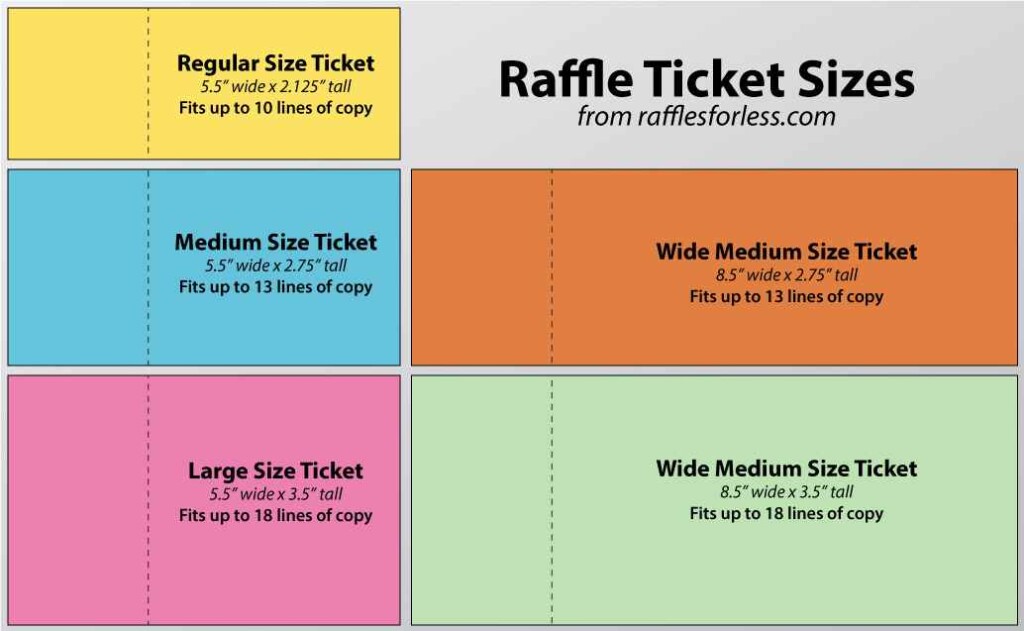
Next, participants purchase raffle tickets when they arrive at the event. These tickets are usually small, numbered stubs that can easily be placed into containers.
After buying tickets, participants walk around the event and place their tickets into the containers of the prizes they want to win.
At the end of the event, the organizer draws one ticket from each container. The selected ticket wins the prize connected to that container.
This system makes the raffle feel interactive and encourages guests to explore all the prize tables before deciding where to place their tickets.
Example of a Penny Raffle Setup
Below is a simple example of how a penny raffle might be organized during a fundraising event.
| Prize | Ticket Container | Drawing Method |
| Spa Gift Basket | Box #1 | One ticket drawn |
| Smart TV | Box #2 | One ticket drawn |
| Restaurant Gift Card | Box #3 | One ticket drawn |
| Weekend Getaway | Box #4 | One ticket drawn |
Each prize has its own ticket container, and each container has a separate winner.
This format keeps the raffle organized and easy for participants to understand.
Why Penny Raffles Are Popular for Fundraising
Penny raffles are widely used because they are easy to organize and highly engaging.
Participants enjoy walking around the event and choosing where to place their tickets. This interaction keeps people interested and often leads to more ticket purchases.
Another reason penny raffles work well is the variety of prizes that can be offered. Fundraisers often include electronics, gift baskets, local restaurant vouchers, and travel experiences. Many organizers research top raffle prize ideas to boost participation and select prizes that attract more participants.
When prizes are appealing, guests feel more excited about supporting the fundraiser.
Basic Rules for Running a Penny Raffle
Although penny raffles are simple, clear rules help ensure the event runs smoothly and fairly.
Each prize must have its own ticket container so tickets do not mix between prizes. The containers should be clearly labeled so participants understand which prize they are entering.
Ticket pricing should also be easy to understand. Many fundraisers sell individual tickets or bundle deals to encourage larger purchases.
Some events offer packages like:
- 5 tickets for $5
• 20 tickets for $15
• 50 tickets for $30
Choosing the right ticket price is important because it directly affects fundraising results. Many organizers review guides about how to price raffle tickets for a fundraiser before setting their ticket structure.
Another important rule is making sure the raffle follows local regulations. Depending on where the event is held, raffles may require permits or nonprofit eligibility. Checking US raffle laws by state can help ensure the fundraiser follows legal requirements.
How to Organize a Successful Penny Raffle
Planning a penny raffle fundraiser requires some preparation, but the process is manageable when broken into clear steps.
First, organizations should set a fundraising goal. Knowing how much money you hope to raise will help determine how many prizes are needed and how tickets should be priced.
Second, organizers must gather attractive prizes. The more exciting the prizes are, the more tickets participants are likely to buy.
Third, raffle tickets should be printed and prepared before the event. Professional ticket design helps make the fundraiser look organized and trustworthy. Many organizers follow raffle ticket design tips to sell more tickets to improve ticket sales.
Finally, prize tables should be arranged neatly so participants can easily see and access every prize container.
Tips to Raise More Money with a Penny Raffle
A successful penny raffle is not only about selling tickets. The overall experience of the event can greatly influence fundraising results.
Here are a few strategies that can help increase ticket sales:
- Display the most valuable prizes in highly visible areas
• Offer ticket bundle deals to encourage larger purchases
• Promote the raffle before the event through social media and posters
Promotion plays a major role in fundraising success. Many organizations follow strategies from tips for holding a successful raffle to attract more participants and improve event results.
When people know about the raffle early, they are more likely to attend and support the cause.
Common Mistakes to Avoid
Even simple fundraising events can face problems if they are not organized properly.
One common mistake is choosing prizes that are not appealing to the audience. If participants are not excited about the prizes, ticket sales will be limited.
Another mistake is poor event organization. Prize containers should be clearly labeled and easy to find.
Weak promotion can also reduce attendance. If people do not know about the event, they will not participate.
Clear communication, attractive prizes, and good planning can help avoid these problems.
Penny Raffle vs Traditional Raffle
Understanding the difference between a penny raffle and a traditional raffle can help organizers decide which format is best for their event.
| Feature | Penny Raffle | Traditional Raffle |
| Prize Containers | Multiple | One main container |
| Ticket Placement | Participants choose prizes | All tickets together |
| Engagement Level | High | Moderate |
| Prize Drawings | One prize | Usually, one main draw |
Because participants can choose where to place their tickets, penny raffles often create more excitement and interaction.
Final Thoughts
A penny raffle is one of the simplest and most engaging fundraising methods used by charities, schools, and nonprofit organizations. It allows participants to choose the prizes they want to win, making the event more exciting and interactive.
When the event is organized properly with attractive prizes, clear rules, and good promotion, a penny raffle can raise significant funds while creating a fun experience for the community.
Understanding how a penny raffle works can help organizers plan better events, attract more participants, and ultimately raise more money for their cause.