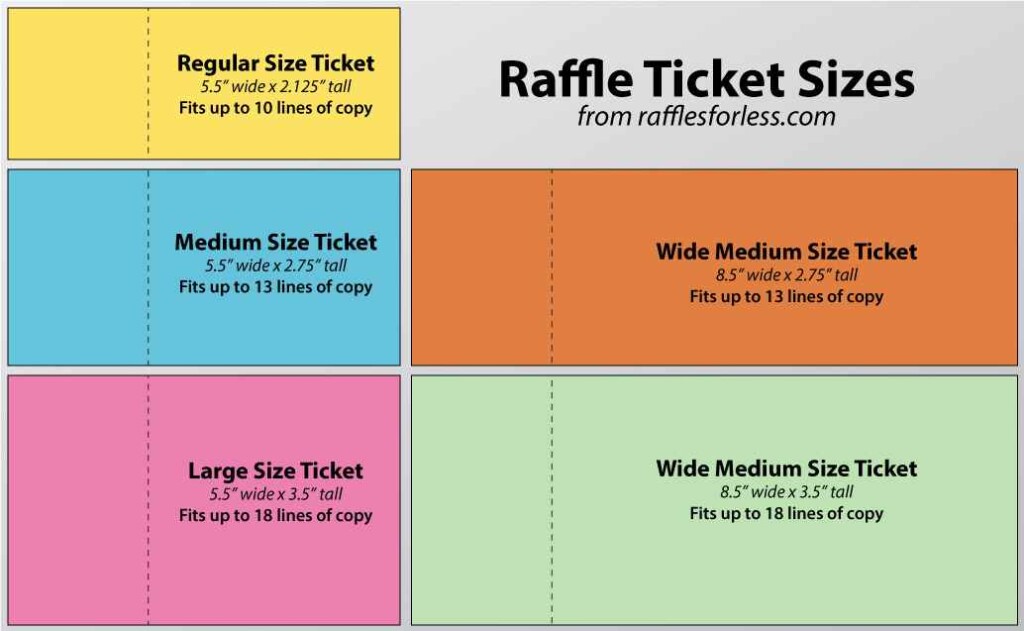
Planning a raffle and not sure where to start on the tickets? You’ve got more options than you might think from free raffle ticket generators you can use in a browser to fully custom, numbered tickets printed and shipped to your door.
The right choice depends on a few things: how many tickets you need, whether you’re required to number them for compliance or drawing purposes, how much time you have before the event, and how “official” the tickets need to look to build trust with buyers. This guide walks through every practical way to make raffle tickets, what each option is actually good for, and how to avoid the mistakes that trip up first-time raffle organizers.
What Is a Raffle Ticket Maker?
A raffle ticket maker is any tool or method used to design and produce raffle tickets — from free online generators and editable templates to professional printing services. Some raffle ticket makers are software you use yourself to design tickets at home, and others are printing companies that design and print the tickets for you.
There isn’t one “best” raffle ticket maker for every situation. A PTA selling $2 tickets at a bake sale has very different needs than a nonprofit running a $10,000 prize raffle that has to meet state reporting requirements. Understanding the categories below will help you match the tool to your event.
Your Main Options for Making Raffle Tickets
1. Free Raffle Ticket Generators
A free raffle ticket generator is a web-based tool that lets you input event details (prize, date, ticket price, organization name) and automatically lays them out on a ticket template, usually with sequential numbering built in.
Best for: Small internal raffles, office pools, casual fundraisers, or a first draft you’ll refine later.
Limitations: Most free generators offer limited design customization, watermark the output, or restrict how many tickets you can generate before asking you to pay. The paper stock is whatever you print on at home, which usually isn’t perforated and can look less credible to buyers.
2. Raffle Ticket Templates (Word, Canva, Google Docs)
Templates give you more design control than a generator. You start with a pre-built layout in a program like Microsoft Word, Google Docs, or Canva, then customize the text, colors, and images yourself.
Best for: People comfortable with basic design software who want a specific look and don’t mind manually adding ticket numbers or using a mail-merge function.
Limitations: Manually numbering tickets is tedious and error-prone past a couple hundred tickets. Home printing also means no true perforation, so tearing the stub off cleanly is difficult, and the ticket stock is usually standard printer paper rather than durable cardstock.
Raffles For Less offers free raffle ticket templates if you want a starting layout without designing from a blank page.
3. Raffle Ticket Maker Software
Some organizers use dedicated raffle or event ticketing software, which typically includes automatic sequential numbering, barcode or QR code generation, and export options for printing. This overlaps with generators but tends to offer more features aimed at larger events.
Best for: Recurring fundraisers or organizations running multiple raffles a year that want a repeatable, more automated process.
Limitations: More robust software often comes with a subscription cost, and you’re still responsible for printing, cutting, and perforating the physical tickets yourself unless the software integrates with a print partner.
4. Professional Custom Raffle Ticket Printing
This is where you send your design (or have one created for you) and receive finished, numbered, perforated tickets ready to sell no home printing, cutting, or manual numbering required.
Best for: Any raffle where credibility, compliance, and time savings matter school and church fundraisers, sports team boosters, nonprofit galas, community events, and any raffle with a prize valuable enough that buyers expect a “real” ticket with a matching stub.
Limitations: There’s a cost involved (though custom printing is often more affordable than people expect for the ticket volume most fundraisers need), and turnaround time needs to be planned for, even with fast shipping.
DIY vs. Professionally Printed Raffle Tickets
| Factor | DIY / Free Generator | Professionally Printed |
| Cost | Free or low cost | Modest cost per ticket, scales with quantity |
| Numbering | Manual or basic auto-number | Precise sequential numbering, matched stubs |
| Perforation | None (home printers can’t perforate) | Clean tear-away stub included |
| Design quality | Depends on your design skills | Professional layout and print quality |
| Turnaround | Immediate | A few days to a week, plus shipping |
| Best for | Small, informal raffles | Fundraisers where trust, records, and volume matter |
Neither option is universally “better” it comes down to what your raffle actually needs to run smoothly and hold up to scrutiny if anyone asks how winners were selected.
How to Make Your Own Raffle Tickets (Step-by-Step)
If you’re going the DIY route, here’s a practical process that avoids the most common headaches:
- Decide what information needs to appear on the ticket. At minimum: organization name, prize description, ticket price, drawing date, and a sequential number on both the ticket and its stub.
- Choose your tool. Pick a free generator for speed, or a template in Word/Canva for more design control.
- Build in sequential numbering from the start. Don’t number tickets by hand after printing — decide the number range before you design, and make sure the number appears identically on the ticket and the matching stub.
- Include compliance details if your state or organization requires them. Some states require specific language on raffle tickets, such as sponsor name, registration or license number, or odds disclosure. Requirements vary significantly by state and by the type of organization running the raffle, so check with your state’s charitable gaming or attorney general’s office before finalizing your wording. Raffles For Less cannot provide legal advice — always confirm current requirements for your specific state and organization type.
- Print on the right stock. Standard printer paper works for casual raffles, but it tears unevenly and doesn’t feel official. If you want a perforated stub, you’ll generally need a print shop, since most home printers can’t perforate.
- Proofread before printing the full batch. Print one test ticket and check the prize description, date, price, and number sequence before running the full order.
What to Include on a Raffle Ticket
Regardless of which tool you use, a well-designed raffle ticket should include:
- Organization or event name
- Prize description (be specific “50-inch Smart TV,” not just “TV”)
- Ticket price
- Drawing date and time
- A matching sequential number on the ticket and stub
- A line for the buyer’s name and phone number (usually on the stub)
- Any required disclosure language for your state, if applicable
Keeping the design clean and legible matters more than making it elaborate. Buyers should be able to read the prize and price at a glance, and volunteers running the drawing need numbers that are easy to match.
Common Mistakes When Making Your Own Raffle Tickets
- Skipping sequential numbers. Unnumbered tickets make it impossible to run a fair, verifiable drawing and can raise questions about how a winner was actually chosen.
- Mismatched stub and ticket numbers. If you’re hand-numbering, it’s easy to have the number on the stub not match the ticket this becomes a real problem the moment you try to draw a winner.
- Printing on paper that’s too thin. Standard copy paper feels cheap and tears unpredictably when buyers try to separate the stub.
- Leaving out required disclosures. If your state or municipality has specific rules for charitable raffles, missing that language on the ticket can cause compliance issues later.
- Underestimating design time. DIY design and hand-numbering hundreds of tickets takes longer than most first-time organizers expect, especially close to an event deadline.
When It’s Worth Switching to Professional Printing
DIY raffle tickets work well for casual, low-stakes raffles a $2 office pool or a small classroom drawing. But a few signals usually mean it’s time to move to professional printing:
- You need more than a couple hundred tickets, making manual numbering impractical
- The prize value is high enough that buyers expect a legitimate, professional-looking ticket
- Your organization needs to keep clean records for tax or compliance purposes
- You’re short on time and can’t afford to spend hours designing, numbering, and cutting tickets by hand
- You want perforated stubs that tear cleanly, rather than tickets cut with scissors
If your raffle falls into any of these categories, custom printed tickets numbered, perforated, and shipped ready to sell tend to save far more time and hassle than they cost, especially once you factor in the hours spent on DIY design and manual numbering.
Before you finalize pricing or ticket quantity, it’s also worth understanding how to price your raffle tickets and how raffle odds work, since both affect how many tickets you’ll actually need to print.
Raffle Tickets for Specific Events
Different types of fundraisers tend to have different ticket needs:
- School fundraisers often need larger quantities at a lower price point, with simple, kid-friendly designs. See our guide on running a raffle for a school fundraiser for more planning tips.
- Early bird raffles, where buyers who purchase before a certain date get bonus entries or a separate drawing, need a ticket design that clearly distinguishes the early bird period. Learn more about structuring an early bird raffle.
- Sports teams, churches, and community nonprofits typically want a more polished, “official” ticket design since buyers are often community members who expect transparency in how prizes are awarded.
Frequently Asked Questions
Is there a truly free raffle ticket generator?
Yes, several free raffle ticket generators and templates exist online. They’re a solid option for small, informal raffles, though most limit design customization or ticket quantity, and none of them produce perforated stubs since that requires professional printing equipment.
Can I make raffle tickets in Word or Canva?
Yes. Both let you build a custom layout and add sequential numbers manually or through a mail-merge feature. It works well for smaller batches but becomes time-consuming for larger raffles.
Do raffle tickets need to be numbered?
For any raffle where you need a fair, verifiable way to draw a winner, sequential numbering on both the ticket and stub is strongly recommended, and some states require it for licensed charitable raffles. Check your state’s specific requirements.
How many raffle tickets should I print?
This depends on your prize value, target audience size, and pricing strategy. Our guide on calculating raffle odds can help you work backward from your prize budget to a reasonable ticket count.
What’s the difference between a raffle ticket maker and a raffle ticket printer?
A raffle ticket maker (generator, template, or software) helps you design the ticket. A raffle ticket printer produces the physical, often numbered and perforated, finished product. Some services combine both.
Are DIY raffle tickets legal to use for a charity raffle?
Legality depends on your state, the type of organization running the raffle, and local regulations it isn’t about the tool used to make the ticket. Always verify current requirements with your state’s charitable gaming office or attorney general before running a raffle.
How much does it cost to print custom raffle tickets?
Costs vary based on quantity, design complexity, and whether you need numbering or perforation. You can review current options on our pricing page.
Can I add a QR code to my raffle tickets?
Yes, many custom printing services and some software tools can add a QR code linking to an event page, online payment option, or digital entry form, alongside the traditional numbered stub.
Final Thoughts
There’s no single right way to make raffle tickets the best choice depends on your event’s size, budget, timeline, and how much your raffle needs to look and function like an official drawing. Free generators and templates are a reasonable starting point for small, casual raffles. But once numbering accuracy, professional appearance, or compliance start to matter, custom printed tickets remove the guesswork and the manual labor, letting you focus on selling tickets instead of making them.