If you are running a raffle, the tickets are the one thing every single supporter will hold in their hands. Raffle ticket books make that easy: each book bundles numbered tickets with matching stubs, so sellers can hand out tickets, collect names and phone numbers, and keep clean records without extra paperwork.
This guide explains how raffle ticket books work, how to choose the right size and layout, what to put on the tickets, and how to order custom printed raffle booklets without costly mistakes. Whether you are a school PTA, a church, a sports team, or a nonprofit, you will leave with a clear plan.
What Is a Raffle Ticket Book?
A raffle ticket book is a bound set of numbered raffle tickets, usually perforated, where each ticket has a matching stub. The buyer keeps one part, and the seller keeps the stub with the buyer’s contact details. The stubs are what you draw winners from.
You may also see them called raffle booklets, raffle books, or ticket booklets. They all describe the same basic idea: tickets grouped into a book that one person can carry, sell, and return.
How Raffle Ticket Books Work
The process is simple, which is why books remain popular for fundraisers of every size.
- You print or order books with sequentially numbered tickets and matching stubs.
- You assign books to sellers. Each book gets a number or a seller’s name so you can track it.
- Sellers fill out the stub. Each buyer’s name and phone number (or email) goes on the stub, then the ticket is torn along the perforation and given to the buyer.
- Sellers return stubs and cash. Unsold tickets stay in the book and are returned with it.
- You draw winners from the stubs. Because every ticket number is matched to a stub, you can reach the winner quickly.
This is the main advantage over loose tickets or a single roll. Books create accountability. You can see who had which numbers, how many were sold, and what is still out in the community.
Who Uses Raffle Ticket Books?
Books are a natural fit for organizations that rely on volunteers selling to friends, family, and neighbors before the event:
- Schools and PTAs sending books home with students (see our guide to a school raffle fundraiser)
- Youth and adult sports teams where each player sells a set number of tickets
- Churches and faith groups running seasonal or building-fund raffles
- Nonprofits and charities selling ahead of galas, golf outings, and community events
- Clubs, service organizations, and community groups with a mix of in-person and pre-event sales
If you will only sell tickets at the door of one event, a single roll can work. If sales happen over days or weeks with many volunteers, books are usually easier to manage.
How to Choose the Right Raffle Ticket Book
The best book is the one your sellers can actually finish. Here is how to decide.
Decide How Many Tickets Each Book Should Hold
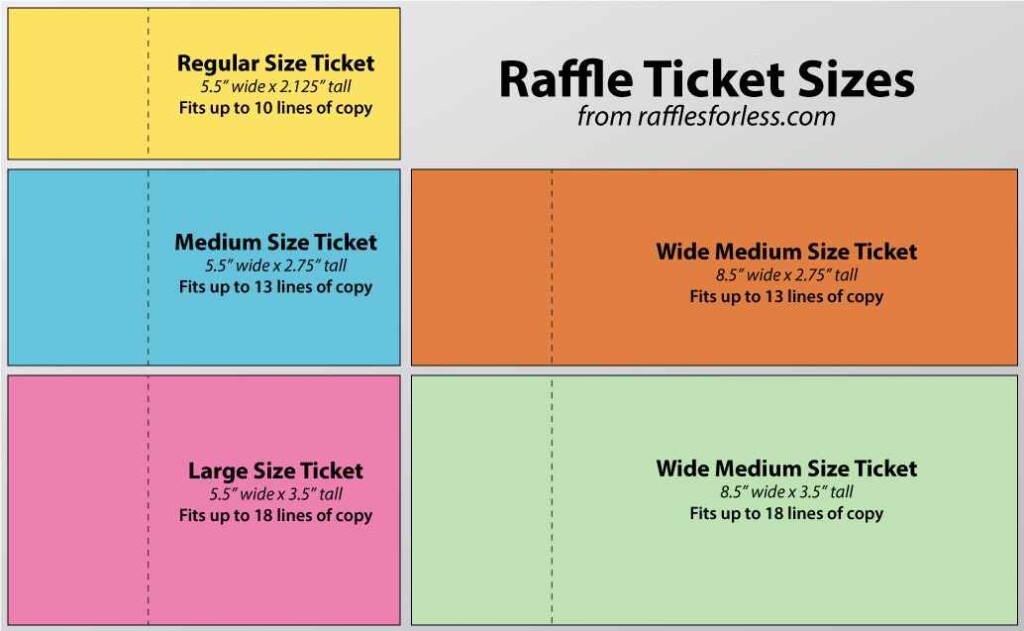
Start with your fundraising goal and your seller count, then work backward. A smaller book is easier for a child or a first-time volunteer to sell out, and a returned, completed book feels like a win. A larger book suits experienced sellers or board members with wide networks.
A practical rule: size the book to what your average seller can reasonably sell, not your best seller. You can always hand a top seller a second book.
Choose Numbering and Perforation
Two features separate a professional raffle book from a homemade one:
- Sequential numbering gives every ticket and stub a unique number, which protects the integrity of the drawing and makes tracking simple.
- Perforation lets buyers tear tickets cleanly along the stub line, so stubs stay intact for the drawing.
If you want a closer look at those options, our pricing page shows what is available for custom orders.
Set Your Ticket Price Before You Print
Ticket price affects how the book is laid out and how you present deals like bundle pricing. If you have not settled on a price yet, read how much to charge for raffle tickets first. Printing a price on the ticket also helps sellers avoid confusion.
Think About Your Prize and Your Odds
The number of tickets you print should match your prize plan. If you are curious how ticket quantity affects each buyer’s chances, our guide on how to calculate raffle odds walks through the math.
What to Put on Your Raffle Tickets
Clear information builds trust with buyers and saves you questions later. A good raffle ticket typically includes:
- Your organization’s name and logo
- The name of the event or raffle
- The prize or prizes (or a short description such as Grand Prize Drawing)
- Ticket price
- Drawing date, time, and location
- Whether the winner must be present to win
- A line for the buyer’s name and phone number on the stub
- A unique ticket number on both the ticket and stub
- Any required legal wording for your state or locality
Keep the design simple and readable. Sellers are filling these out by hand, often quickly, so leave generous writing space on the stub.
A note on rules: Raffle regulations vary by state, county, and city, and often depend on the type of organization running the raffle. Some places require registration, licensing, or specific wording on tickets. Check with your state attorney general’s office, gaming commission, or local authority before printing, and consult a qualified professional if you are unsure. This article is general information, not legal advice.
Custom Raffle Ticket Books vs. Generic Tickets
| Option | Best for | Trade-offs |
| Custom printed raffle books | Multi-week fundraisers, many sellers, branded events | Requires ordering ahead of time |
| Personalized ticket books (your design and details) | Organizations that want their name, prize, and date on every ticket | Details must be final before printing |
| Generic pre-printed tickets | Quick, one-night events | No branding or event details; less professional look |
| Home-printed tickets | Very small raffles | Hard to number consistently; cutting and tearing takes time |
Professional ticket book printing pays off most when many people are handling books. Clean perforations, consistent numbering, and your own branding make the raffle look credible, which matters when asking neighbors and local businesses to support you.
At Raffles For Less, you can start from a raffle ticket template to build your own design, or work from a custom design depending on how hands-on you want to be.
Example: Planning Books for a School Fundraiser
Here is a hypothetical scenario to show how the pieces fit together. The numbers are illustrative, not a recommendation.
An elementary school PTA has 200 students and wants every family to take part. The committee decides one book per student is fair and manageable. They choose a smaller book size so even younger students can reasonably sell it out, and they plan a few extra books for families that sell quickly.
They set a ticket price, print it on the ticket, and add a bundle option on the cover note sent home with each book. They add the drawing date, event location, and a reminder that winners are contacted by phone. Stubs have room for a name and phone number.
The result: a simple system. Each family knows what to do, the committee can track returned books by number, and the drawing is easy to run from the stubs.
Common Mistakes to Avoid
- Ordering before details are final. A wrong date or misspelled prize name on every ticket is costly. Proofread with two people.
- Making books too large. Sellers who cannot finish a book often stop trying.
- Skipping tracking. Assign each book a number and record who has it.
- Leaving too little writing space. Tiny stub lines lead to illegible names and lost winners.
- Waiting too long to order. Allow time for design review, printing, and delivery before sales begin.
- Ignoring local rules. Verify requirements before you print and sell.
How to Order Custom Raffle Ticket Books
- Confirm your raffle details: prize, ticket price, drawing date, location, and any required legal wording.
- Estimate quantity: how many sellers and how many tickets per seller.
- Choose your design path: use a template or a custom design.
- Select numbering and perforation so stubs and tickets match.
- Proof everything carefully before approving.
- Place your order with time to spare before sellers need the books.
Raffles For Less is an experienced raffle ticket printing company that focuses on affordable, professional custom raffle tickets, with free shipping and fast turnaround. You can review options on the pricing page or explore the templates to see what your books could look like.
Tips for Selling More Tickets From Each Book
- Give sellers a one-sentence pitch that explains where the money goes.
- Set a return date for books and stubs so you can finalize the drawing.
- Consider an early bird incentive. An early bird raffle rewards people who buy sooner and builds momentum.
- Share progress publicly. A simple goal tracker keeps sellers motivated.
- Keep sellers safe and accountable: encourage selling to people they know and counting cash with a second person.
Frequently Asked Questions
How many tickets are in a raffle ticket book?
It depends on the book you order. Book sizes vary, so choose a count based on what your average seller can realistically sell and how many sellers you have.
What is the difference between a raffle ticket book and a roll of tickets?
A book has perforated tickets with stubs bound together, so sellers can collect buyer details and return stubs. A roll is typically used for in-person sales at a single event and offers less tracking.
Can I personalize raffle ticket books with my organization’s name?
Yes. Personalized ticket books can include your logo, event name, prize, price, and drawing details. Confirm everything is accurate before approving your order.
Do raffle ticket books need to be numbered?
Numbering is strongly recommended. Unique numbers make drawings fair and trackable. Some jurisdictions may have specific requirements, so check local rules.
How do I keep track of which seller has which book?
Assign each book a number, record the seller’s name and contact information, and log returns. A simple spreadsheet works well.
What should I write on the stub?
At minimum, include space for the buyer’s name and phone number or email. The stub should also carry the same ticket number as the ticket.
Are raffle ticket books legal for any organization?
Raffle laws differ by state and organization type. Some require registration or permits. Contact your state or local authority to confirm what applies to you.
How far ahead should I order raffle booklets?
Order early enough to allow for proofing, printing, and shipping before sellers begin. Starting several weeks ahead gives you a comfortable buffer.
Final Thoughts
Raffle ticket books give your fundraiser structure: numbered tickets, matching stubs, and a clear record of who sold what. Choose a book size sellers can finish, include clear event details, double-check local rules, and order with time to spare.
When you are ready, explore custom raffle tickets from Raffles For Less and get your books designed, printed, and shipped so you can focus on the fundraiser.