Raffle Ticket Online: How to Sell, Order, and Run Your Raffle the Easy Way
You have a fundraiser coming up, a prize lined up, and one big question: where do you get a raffle ticket online, and how do you actually use it to raise money?
The answer depends on what you need. Some organizers want to collect payments on the internet. Others want professionally printed tickets they can order online and hand out at an event. Many do both. This guide walks through each option, compares free and paid choices, and shows how to set up a raffle that runs smoothly from the first ticket sold to the final drawing.
If you’re a supporter looking to buy a ticket for someone else’s raffle, jump to the section near the end. It covers how to do that safely.
What Does “Raffle Ticket Online” Actually Mean?
The phrase covers three different needs. Knowing which one is yours saves time.
A raffle ticket online can be (1) a digital ticket sold through an online platform, (2) a printed ticket you design and order from a website, or (3) a ticket a supporter buys online to enter someone else’s raffle.
- Selling tickets digitally. Buyers pay on a web page and receive an electronic entry. This is common for remote supporters and social media campaigns.
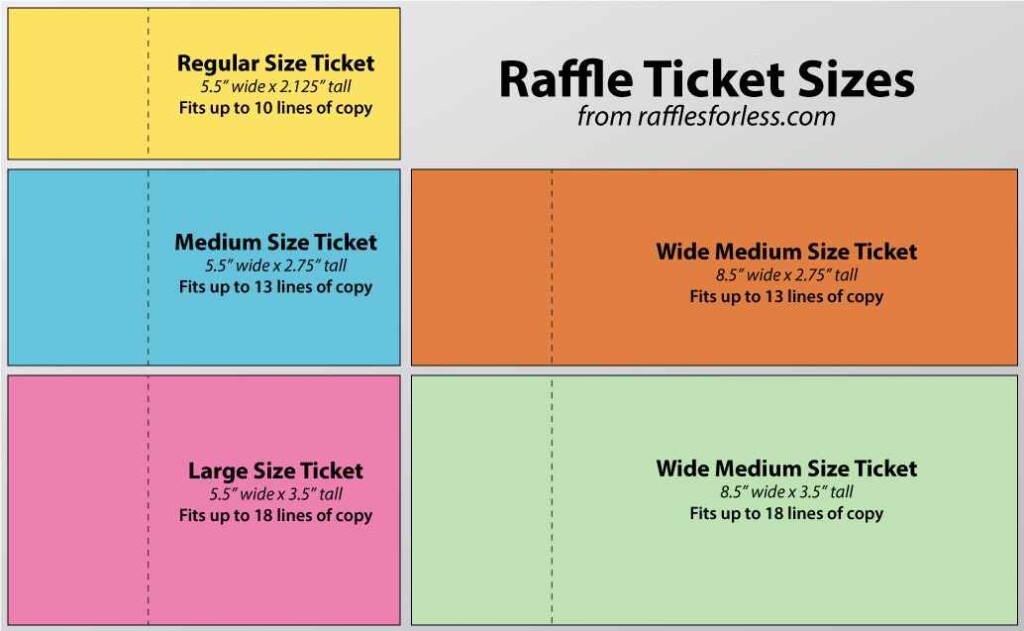
- Ordering printed tickets online. You design and order physical, numbered tickets that arrive at your door. This is the route Raffles For Less specializes in.
- Buying a ticket to enter. A supporter pays an organization for a chance to win.
Most fundraisers get the best results from a mix: printed tickets for in-person selling, and an online payment link for people who can’t attend.
Your Main Options for Selling Raffle Tickets Online
There is no single best method. The right one depends on your audience, budget, and local rules.
| Option | How it works | Best for | Watch out for |
| Online raffle platform | Software handles ticket sales, payments, and entries | Larger or remote audiences | Platform and payment-processing fees; state rules |
| Free raffle website or tool | Basic entry collection or random drawing at no cost | Tiny, informal, or low-stakes drawings | Limited features; may not support payments or compliance needs |
| Printed tickets ordered online | You design, order, and receive numbered tickets | Events, schools, churches, sports teams | Plan for print and shipping time |
| Hybrid (printed + online payment link) | Physical tickets in person, online link for others | Most community fundraisers | Keep one master record so numbers never overlap |
Online Raffle Platforms
A dedicated raffle website can take payments, assign ticket numbers, and track sales for you. That convenience usually comes with fees, such as a platform charge, a payment-processing percentage, or both. Fee structures vary by provider, so read the details before you commit.
Also check whether the platform fits your organization’s legal situation. Online raffle rules differ widely by state, and not every platform is set up for every type of organization.
Free Raffle Websites and Tools
Searching for a free raffle website usually turns up random-picker tools, entry forms, and spreadsheet templates. These can work for a casual office giveaway or a small, no-purchase drawing.
For a real fundraiser, “free” has limits. A picker tool doesn’t give buyers a receipt, doesn’t track who paid, and can’t produce a ticket stub for your records. Before choosing a free tool, ask yourself:
- Can it prove who entered and when?
- Does it handle payments, or will you track those separately?
- Will participants trust it? A drawing people can’t verify can cost you goodwill.
Printed Tickets You Order Online
Ordering from a raffle ticket website like Raffles For Less gives you something a digital tool can’t: a physical, numbered ticket with a perforated stub. One half goes to the buyer, the other goes in the drum. It’s simple, familiar, and it builds excitement at in-person events.
It also works well when your supporters aren’t comfortable paying online, which is common at church socials, school carnivals, and community fairs.
Which Option Should You Choose?
Use this quick decision guide:
- Selling at an event, fair, game, or school night? Order printed tickets.
- Selling mostly to people who live far away? Add an online payment option.
- Running a casual drawing with no money involved? A free random-draw tool may be enough.
- Doing a bigger campaign with multiple sales channels? Combine printed tickets with an online payment link.
Real-world example: A youth soccer club sells tickets at Saturday games using printed books, so each player can hand them to family and neighbors. The treasurer also shares an online payment link for out-of-town grandparents. Every sale, whether paper or online, is logged against the same number range, so there are no duplicates at the drawing.
Check the Rules Before You Sell Anything
This is the step many first-time organizers skip, and it matters most when selling online.
Raffle laws in the United States are set mostly at the state level, and sometimes by city or county. Requirements can depend on your state, your organization type, the prize value, and how tickets are sold. Selling online can add complications, especially if buyers are in other states. Some states require registration or a license. Others limit raffles to certain nonprofits or restrict how and where tickets can be sold.
This article is not legal advice. Before you launch, confirm current requirements with your state attorney general’s office, state gaming or charitable-games agency, or local authority. If you’re running a raffle for a school or church, ask your leadership or an attorney familiar with charitable gaming rules.
For tax questions, such as reporting prizes or handling proceeds, consult a qualified tax professional.
How to Run a Raffle Using Online and Printed Tickets: Step by Step
Quick answer: Verify your state’s rules, set your goal and prize, price your tickets, choose how you’ll sell, design and order tickets, promote your raffle, and draw a winner publicly.
- Confirm the legal requirements. Check state and local rules for your organization type before advertising anything.
- Set a fundraising goal. Decide how much you need to raise, then work backward to the number of tickets you need to sell.
- Choose your prize. Pick something your audience actually wants. Donated items keep your costs low.
- Set your ticket price. Our guide on how much to charge for raffle tickets explains how prize value, audience, and goals affect pricing.
- Decide how buyers will pay. Cash at events, an online link, or both.
- Design and order your tickets. Include your organization name, event details, ticket numbers, and a drawing date. Browse our raffle ticket templates if you want a starting point.
- Promote the raffle. Share it by email, social media, flyers, and in person. Make the prize and the cause clear.
- Track every sale. Record names, contact details, and ticket numbers for buyers.
- Hold a transparent drawing. Draw in front of witnesses or on a live video so everyone trusts the result.
- Notify the winner and thank everyone. Post results and share what the money will do.
What to Put on a Raffle Ticket
Whether you print tickets or issue digital entries, buyers should be able to see the essentials at a glance:
- Organization name and logo
- Prize description
- Ticket price
- Drawing date, time, and location
- Unique ticket number (printed on both the ticket and stub)
- Space for the buyer’s name and phone number or email
- Any required legal wording for your state, such as a license number if applicable
- Winner-need-not-be-present language, if relevant
Numbered, perforated tickets reduce confusion and make record keeping easier. If you’re not sure how many to print, see our explanation of how to calculate raffle odds, which helps you understand how ticket quantity affects a buyer’s chances.
Tips to Sell More Raffle Tickets Online
A link alone won’t sell tickets. A few practical habits help:
- Lead with the prize and the cause. People give when they know what the money supports.
- Make the link easy to find. Put it in your email signature, social bios, and event pages.
- Set a deadline. A clear end date creates urgency without pressure.
- Consider an early bird incentive. Rewarding early buyers can build momentum. See how an early bird raffle works.
- Share progress. Post updates like how close you are to your goal.
- Mix channels. Tickets sold in person often outsell online-only campaigns for local causes, so don’t rely on one method.
- Give volunteers something to hand out. Printed tickets let students, team members, and volunteers sell directly to friends and family. Schools in particular benefit from this approach, as explained in our guide to a school raffle fundraiser.
Common Mistakes to Avoid
- Skipping the legal check. Selling first and asking questions later can create real problems.
- Using duplicate or unnumbered tickets. This leads to disputes at the drawing.
- Choosing a free tool without a plan for payments and records.
- Ignoring fees. Platform and processing fees reduce what you actually raise. Compare them upfront.
- Waiting too long to order printed tickets. Leave time for design, printing, and shipping before your first sale date.
- Vague prize details. Buyers are more likely to purchase when they know exactly what they could win.
- Unclear drawing procedures. Announce how and when the winner will be chosen.
Ordering Custom Raffle Tickets Online With Raffles For Less
If your plan includes in-person selling, ordering printed tickets online is one of the simplest steps to check off. Raffles For Less is a raffle ticket printing company built for U.S. nonprofits, schools, churches, sports teams, and community groups.
Here is what you can expect:
- Custom raffle tickets designed for your organization
- DIY design options if you’d like to build your own
- Numbered and perforated tickets
- Professional printing
- Affordable pricing and free shipping
- Fast turnaround
Ready to compare options? Check raffle ticket pricing or start from our homepage to design your tickets.
If You’re Looking to Buy a Raffle Ticket Online to Enter
Supporters often search this way too. If that’s you, a few safety habits help:
- Buy directly from the organization hosting the raffle, or from a link on its official website or verified social account.
- Confirm the organization is real. Nonprofits typically have an identifiable name, location, and contact information.
- Read the prize details, drawing date, and any eligibility rules, such as age or state restrictions.
- Be cautious of unfamiliar links, requests for unusual payment methods, or pressure to buy immediately.
- Keep your receipt or confirmation.
Not every state allows residents to enter every raffle, so eligibility rules matter.
Frequently Asked Questions
Can I sell raffle tickets online?
In many cases, yes, but it depends on your state, your organization type, and local rules. Some states restrict online ticket sales or require registration. Check with your state’s gaming or charitable-games authority before selling.
Is there a free raffle website?
Yes, free tools exist, but they usually handle only basic tasks like random winner selection or entry collection. They typically don’t provide payment processing, ticket stubs, or the recordkeeping serious fundraisers need.
Can I print my own raffle tickets?
Yes. You can use a template and a home printer for small raffles. For larger fundraisers, professionally printed, numbered, perforated tickets look more credible and are easier to track.
How do I make raffle tickets I can sell online?
Create a digital ticket or entry through a raffle platform, or design a printed ticket and pair it with an online payment link. Either way, assign unique numbers and keep a master log of who bought what.
Do online raffle platforms charge fees?
Many do. Fees may include a platform charge and payment-processing costs. Compare total costs for your expected sales before choosing one.
How many raffle tickets should I sell?
Start from your fundraising goal and ticket price. If you want to raise $2,000 with $5 tickets, you’d need to sell 400 tickets, plus enough to cover your prize and printing costs. Build in a cushion.
How do I know my raffle is fair?
Use numbered tickets, keep thorough records, and conduct the drawing publicly or on live video. Announce the process in advance.
What is the difference between a raffle and a sweepstakes?
A raffle typically requires purchasing a ticket for a chance to win. Sweepstakes are generally free to enter. Legal definitions vary by state, so verify before you label your event.
Final Thoughts
You don’t have to choose between online and offline. The most effective community raffles usually blend printed tickets for in-person energy with an online payment option for supporters who can’t be there. Whichever route you take, confirm your state’s rules first, keep your records clean, and make the prize and the cause easy to understand.
When you’re ready for tickets, you can order custom raffle tickets online from Raffles For Less and be set up for your next drawing.