
Everyone’s seen raffle tickets at school fairs, charity events, or even online contests.
But what exactly are raffles? How do they work? And what’s the best way to set one up?
How Does a Raffle Work?
A raffle looks simple, but it follows a straightforward process. Every step matters to keep it fair and fun. Let’s walk through it.
Step 1: Raffle Tickets Are Sold
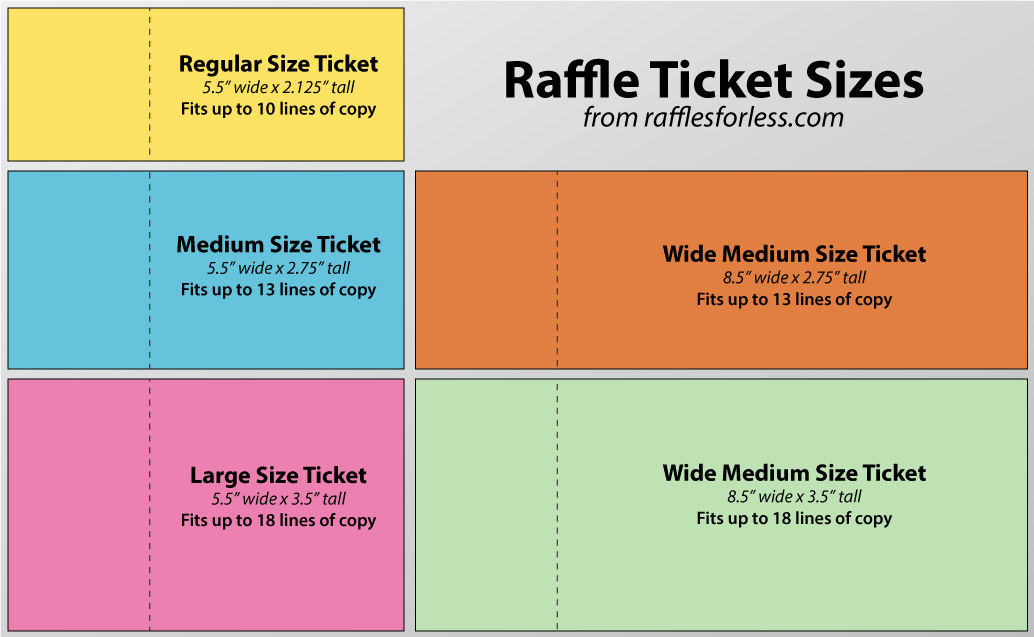
The process begins with raffle tickets. Each ticket has a number on it. Paying for one gives you a chance in the draw. Some raffles provide tickets made of paper. Others provide an online raffle ticket system. Either method, the ticket is your entry.
Step 2: A Prize Is Chosen
The prize is what makes people purchase tickets. It might be small, such as a gift basket. Or large, such as a holiday. The important thing is ensuring the prize is decided ahead of time before selling tickets.
Step 3: The Drawing Happens
When ticket sales end, it is time for the draw. All the ticket numbers are added to the pool. Then, one is randomly selected. Whoever is holding that ticket wins.
The ideal manner in which to do a raffle drawing is based upon the size of the event. Some like an old-fashioned bowl draw. Others have digital randomizers. Both are fine if each ticket has an equal chance.
Why Transparency and Fairness Are Important
Individuals will trust raffles if the process appears legitimate and transparent. Display the tickets. State the rules. Allow everyone to witness how the winner is selected.
For major raffles, organizers even broadcast the draw online. This ensures that it is apparent that there is no ticket with an unfair advantage.
All areas have their own regulations for raffles. Some need licenses, particularly if money is being raised. Consider local laws before organizing one. It prevents issues later and keeps the raffle fair.
Various Types of Raffles
Not all raffles are the same. The concept is always a raffle ticket and a prize. But the appearance of the draw can be varied. Let’s examine the most popular types of raffles.
Classic Raffle Draw
This is the format most of us recognize. Raffle tickets are sold. Every ticket contains a number. At the conclusion, one or more tickets are drawn from a box. The corresponding numbers win prizes.
It’s easy, reliable, and ideal for school carnivals, fundraising nights, or community fundraisers.
50/50 Raffle
In this case, the prize is cash, not a prize. Half of the funds raised are awarded to the winner. The other half belongs to the organizer, usually for a charitable cause.
Let’s say $1,000 worth of raffle tickets are sold. The winner receives $500. The remainder funds the fundraiser.
Reverse Raffle – What Is It?
A reverse raffle does the opposite. Instead of the first ticket drawn winning, tickets are taken out one by one. The last one remaining is the winner.
This type of raffle creates suspense. With each number called, one person is eliminated, and the room becomes quieter as the last tickets are left.
Online Raffles
Nowadays, most raffles take place online. An online raffle ticket is electronic rather than paper. Customers receive an email or a code as confirmation of their purchase.
The draw can even be performed with software. It is convenient for large crowds or events when individuals are unable to attend in person.
Branded Raffle Tickets
At times, raffle tickets are more than numbers. Branded raffle tickets bear a school name, slogan, or logo.
They bring a professional look. For businesses and charities, branded tickets foster trust. For schools, they make a small event memorable.
From the humble bowl draw to digital randomizers, raffles are diverse. Each one has its own appeal. The choice is the right one depending on your audience, your prize, and the narrative you want the raffle to share
Best Way to Conduct a Raffle Drawing
The actual drawing of the raffle is the highlight. That’s where all the anticipation finally comes together. Individuals cling on to their raffle tickets, waiting for their number to be announced. But what is the best way to ensure that the draw is fair and enjoyable?
Paper Draw
The traditional approach is the paper draw. All raffle tickets sold, or their stubs, are placed in a box or bowl. A hand dips in and one ticket is randomly drawn.
Advantages:
- Simple to comprehend.
- Takes on a sense of personal excitement.
- Suited for small events.
Disadvantages:
- Can be time-consuming if large numbers of tickets are sold.
- Requires someone trusted to make the ticket drawing.
- Risk of error if not careful.
Digital Randomizers
Another approach is software or online tools to select winners. In this, ticket numbers are inputted in a system. A randomizer instantly selects the winner.
Advantages:
- Quick and precise.
- Best suited for big raffles or web-based events.
- No manual handling, so less room for error.
Disadvantages:
- Less personal than a hand-written ticket.
- Some individuals might question fairness unless demonstrated in an apparent manner.
- Requires a stable system so as not to crash.
Which Method Should You Use?
The most suitable method of doing a raffle drawing varies with the event type.
For small school or community raffles, paper draws add charm and intimacy.
For larger or internet raffles, computer randomizers conserve time and gain trust when used in an open manner.
In both instances, fairness is essential. All raffle tickets should stand an equal chance. Publicize the rules before the draw, and where feasible, allow individuals to observe the process. That’s how you create authentic suspense and instil unshakeable trust.
How to Win a Raffle – Is There a Trick?
Each person who purchases raffle tickets asks themselves the same thing: Can you beat the odds?
The Myth of “Secret Tricks”
A few people think being near the bowl makes a difference. Some numbers are luckier than others. These are myths. A raffle is random. The ticket drawn is unrelated to where you were sitting or which number you selected.
The Reality: It’s All About Odds
Raffles are a game of chance. Every ticket has an equal chance. If 500 tickets are sold, your chance with one ticket is 1 in 500. That’s the arithmetic.
The optimum way to do a paper or electronic raffle drawing is random. That’s what makes it fair.
Can You Increase Your Odds?
Yes, but only in one sense: purchase additional raffle tickets. Every ticket adds an additional opportunity. When you purchase 10 tickets in a 500-ticket raffle, your chances improve to 1 in 50. That’s more favorable—but still not a certainty.
The Psychology of Raffles
Part of the thrill is suspense. Folks know the odds are against them, yet the thrill lies in the potential. Possessing a ticket renders you part of the experience. You won’t win, but the thrill of “maybe it’s me” is why raffles are so attractive.
So, how to win a raffle? There’s no formula for winning. The more tickets, the more chances, but luck determines the rest. That’s what makes raffles so great: they keep things equal, random, and thrilling.
How to Host Your Own Successful Raffle
Operating a raffle may seem daunting, but it is simple if you take a few basic steps. Whether it is for school, a fundraiser, or a public event, the process is nearly the same.
Step 1: Choose the Right Prize
A raffle begins with a prize. It needs to be something individuals actually desire. It might be small, such as a gift card, or big, such as electronics. The clearer and more desirable the prize, the better people will sell raffle tickets.
Step 2: Print or Sell Raffle Tickets
Tickets are the backbone of the raffle. You may use either traditional printed tickets or an online raffle ticket system.
- Printed tickets are ideal for events near you.
- Online tickets are convenient to reach a larger crowd.
- Branded raffle tickets add that touch of professionalism and build trust.
Every ticket should have a unique number. That number is the one that goes into the draw.
Step 3: Spread the Word
No raffle can ever be a success without buyers. Promote the raffle using posters, social media, or word of mouth. If charitable, mention the cause. If purely for entertainment, highlight the excitement of the prize.
Step 4: Conduct the Drawing
This is the moment of truth. You can draw a paper raffle traditionally or use a computer randomizer. Both are equal if done openly. The most trusted method of conducting a raffle drawing is your audience’s favorite.
Step 5: Announce the Winners
After the winner’s ticket is drawn, loudly declare it. In a live event, say the number aloud. For virtual raffles, send an email or put up the information. The point is to be open so everyone sees that the process was fair.
Rapid Recap
So how does one operate a raffle if you host one?
- Choose a prize.
- Print or sell tickets.
- Promote the event.
- Draw randomly.
- Declare winners publicly.
By following these simple steps, anyone can host a successful raffle that is fun, fair, and memorable.
Raffles are simple, yet they are never mysterious. With decent rules, properly worded guidelines, and authentic raffle tickets, they create excitement and bring people together.
Whether they’re online raffle tickets, or an old-fashioned drawing, or a reverse raffle, it doesn’t matter – the idea is all the same: each ticket is a possible winner.
The most effective way to have a raffle drawing is to do it in the open—paper drawings or computer randomizers are acceptable if people can have faith in the process.
In the end, raffles remind us that fun, fairness, and community are not necessarily exclusive.