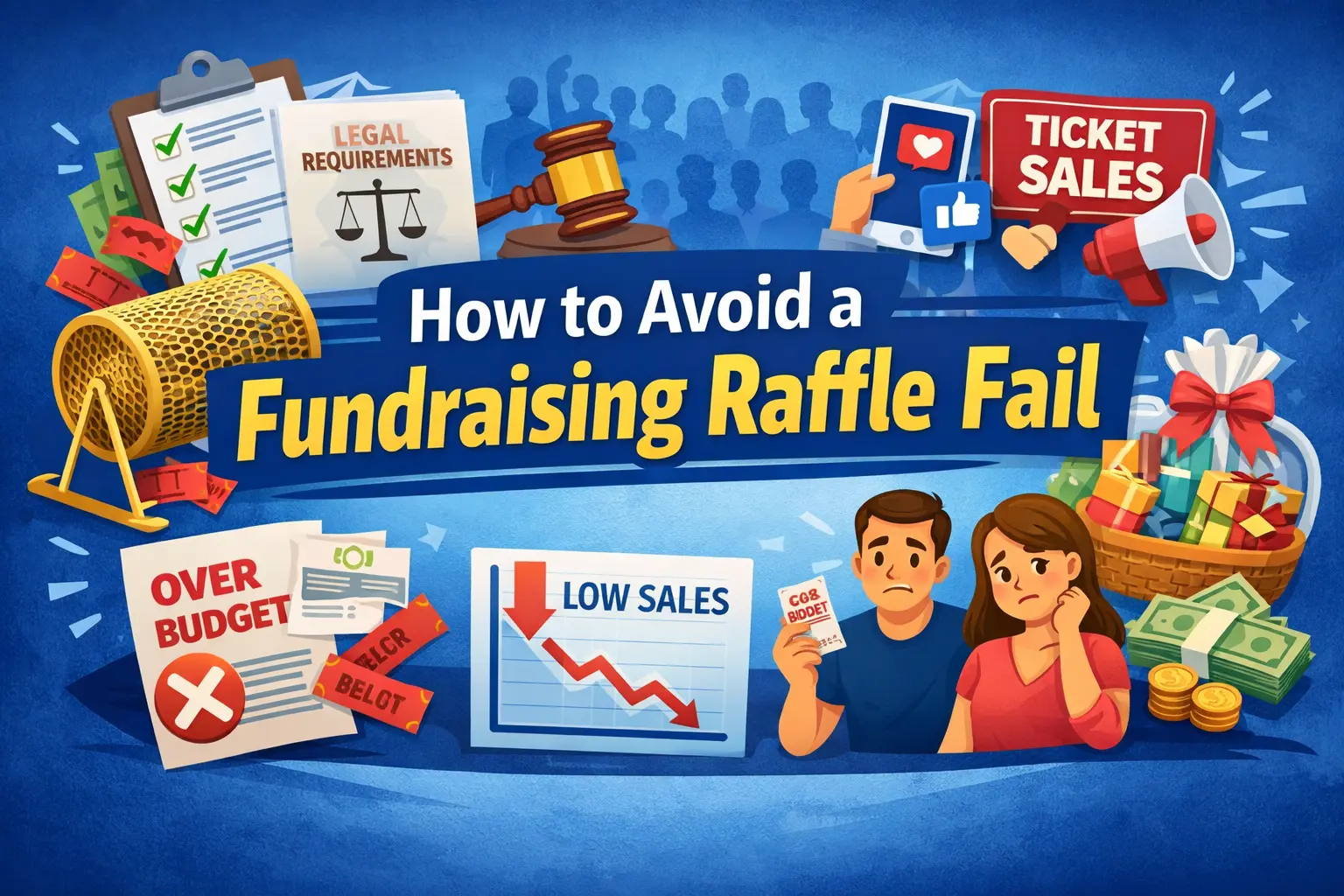
A fundraising raffle can be a powerful way for nonprofits in the United States to generate revenue, build community involvement, and expand donor relationships. However, without proper planning, clear goals, and legal awareness, a raffle can quickly turn into a costly failure. This guide explains how to avoid a fundraising raffle fail by walking you through strategy, marketing, compliance, and post-event evaluation, while naturally integrating best practices for ticket sales, online fundraising, event promotion, and budget management. Many nonprofits also rely on trusted resources like Raffles for Less to streamline ticketing and avoid common raffle mistakes.
Understanding the Importance of a Successful Raffle
The Role of Raffles in Nonprofit Fundraising
Raffles remain one of the most popular nonprofit fundraising tools because they combine excitement, accessibility, and affordability. When executed correctly, a raffle can complement your broader marketing campaign, engage new supporters, and boost overall donations. Unlike major galas, raffles require lower upfront costs and can be adapted for both in-person and online fundraising efforts.
Key Metrics for Measuring Raffle Success
To avoid a fundraising raffle fail, success must be clearly defined. Key metrics include:
- Total ticket sales revenue
- Cost-to-revenue ratio (critical for budget management)
- Number of participants and repeat donors
- Social media reach and engagement
- Sponsor contributions
Tracking these metrics ensures your raffle contributes meaningfully to your nonprofit’s mission.
Planning Your Raffle Campaign
Setting Clear Goals and Objectives
Start with measurable goals. Are you raising funds for a specific program? Growing your donor base? Increasing community involvement? Clear objectives guide every decision, from ticket pricing to raffle prizes, and help align your raffle with your broader fundraising strategy.
Budget Management for Raffle Prizes
Poor budget management is one of the most common raffle mistakes. Set a firm budget that includes:
- Prize acquisition
- Marketing and event promotion
- Ticket printing or digital platform fees
- Permits and licenses
Ideally, raffle prizes should be donated to maximize profit margins. Overspending on prizes without sufficient ticket sales is a fast path to failure.
Audience Targeting: Knowing Your Donors
Effective audience targeting ensures your raffle appeals to the right people. Analyze donor demographics, giving history, and interests. Tailoring messaging and prize selection to your audience dramatically increases engagement and ticket sales.
Legal Considerations
Understanding Local Legal Requirements
In the United States, raffle laws vary by state. Some states require nonprofits to register raffles, restrict online ticket sales, or limit prize values. Understanding legal requirements before launching your raffle is non-negotiable. For example, nonprofits hosting raffles in Texas must follow specific compliance steps, which are clearly outlined in this guide on how to hold a raffle legally in Texas.
Navigating Permits and Licenses
Many nonprofits must obtain permits or licenses prior to selling tickets. Failing to comply can result in fines, canceled raffles, or reputational damage, exactly the kind of outcome you want to avoid.
Ethical Guidelines for Fundraising
Ethical fundraising builds trust. Clearly disclose raffle rules, ticket pricing, odds of winning, and how funds will be used. Transparency reassures donors and strengthens long-term relationships.
Marketing Your Raffle
Event Promotion Strategies
Strong event promotion is essential to raffle success. Use a mix of:
- Email marketing
- Website banners
- Community bulletin boards
- In-person announcements
Consistency across channels ensures your message reaches supporters multiple times.
Crafting a Compelling Marketing Campaign
Your marketing campaign should emphasize urgency, impact, and excitement. Highlight how raffle proceeds support your mission and showcase raffle prizes prominently. Clear calls to action drive ticket purchases.
Leveraging Social Media for Online Fundraising
Social media plays a major role in online fundraising. Share countdown posts, behind-the-scenes content, and sponsor shoutouts. Encourage supporters to share posts, expanding reach beyond your existing audience.
Maximizing Ticket Sales
Pricing Strategy for Raffle Tickets
Smart pricing boosts participation. Offer multiple ticket bundles (e.g., 1 for $10, 5 for $40) to increase average order value. If you need deeper guidance, this breakdown on how to price raffle tickets explains proven pricing strategies that help nonprofits maximize ticket sales without discouraging buyers.
Community Involvement and Engagement
Raffles thrive on community involvement. Recruit volunteers, board members, and ambassadors to promote ticket sales within their networks. Peer-to-peer promotion adds credibility and reach.
Sponsorship Opportunities to Boost Sales
Exploring sponsorship opportunities can significantly reduce costs and increase exposure. Sponsors may donate prizes, cover marketing expenses, or promote your raffle to their own audiences, creating a win-win partnership.
Choosing the Right Raffle Prizes
Popular Prize Ideas that Attract Buyers
Compelling raffle prizes are a major driver of ticket sales. Popular options include:
- Travel packages or hotel stays
- Gift cards
- Electronics
- Exclusive experiences
Large-scale sports raffles and 50/50 drawings, like those discussed in this overview of Blue Jays 50/50 tickets, demonstrate how high-value prizes and strong branding can dramatically increase participation.
How to Solicit Donations for Prizes
Reach out to local businesses, corporate partners, and community leaders for prize donations. Offering recognition in promotional materials or at events can incentivize contributions and strengthen relationships.
Post-Raffle Activities
Transparency and Announcing Winners
Publicly announcing winners builds credibility. Share results on your website, social media, and email newsletters. Transparency reassures participants that the raffle was conducted fairly and legally.
Thanking Donors and Sponsors
A heartfelt thank-you goes a long way. Acknowledge ticket buyers, volunteers, and sponsors promptly. Gratitude strengthens donor loyalty and increases the likelihood of future support.
Evaluating Raffle Outcomes for Future Success
Review your goals, metrics, and feedback. What worked? What didn’t? Evaluating outcomes helps refine future raffles and prevents repeating mistakes, key to learning how to avoid a fundraising raffle fail long-term.
Final Thoughts on Avoiding Raffle Failures
A successful raffle doesn’t happen by accident. It requires strategic planning, smart budget management, effective marketing, legal compliance, and strong community engagement. By focusing on clear goals, audience targeting, compelling raffle prizes, and transparent execution, nonprofits can turn raffles into reliable, high-impact fundraising tools.
When done right, a raffle isn’t just a fundraiser, it’s a relationship builder, a brand amplifier, and a meaningful way to advance your mission without risk of failure.
You have not enough Humanizer words left. Upgrade your Surfer plan.