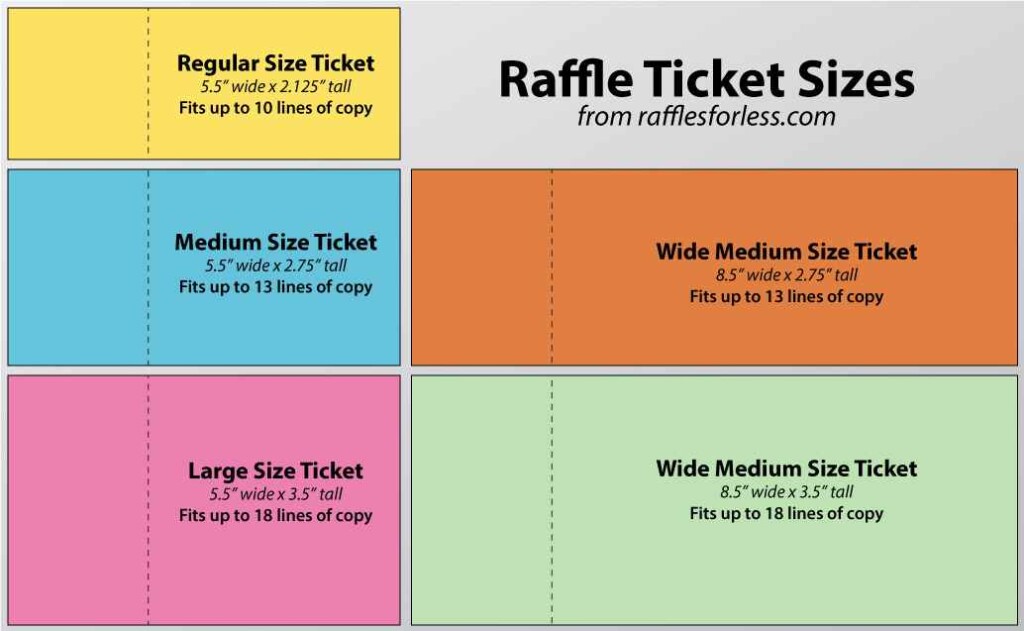
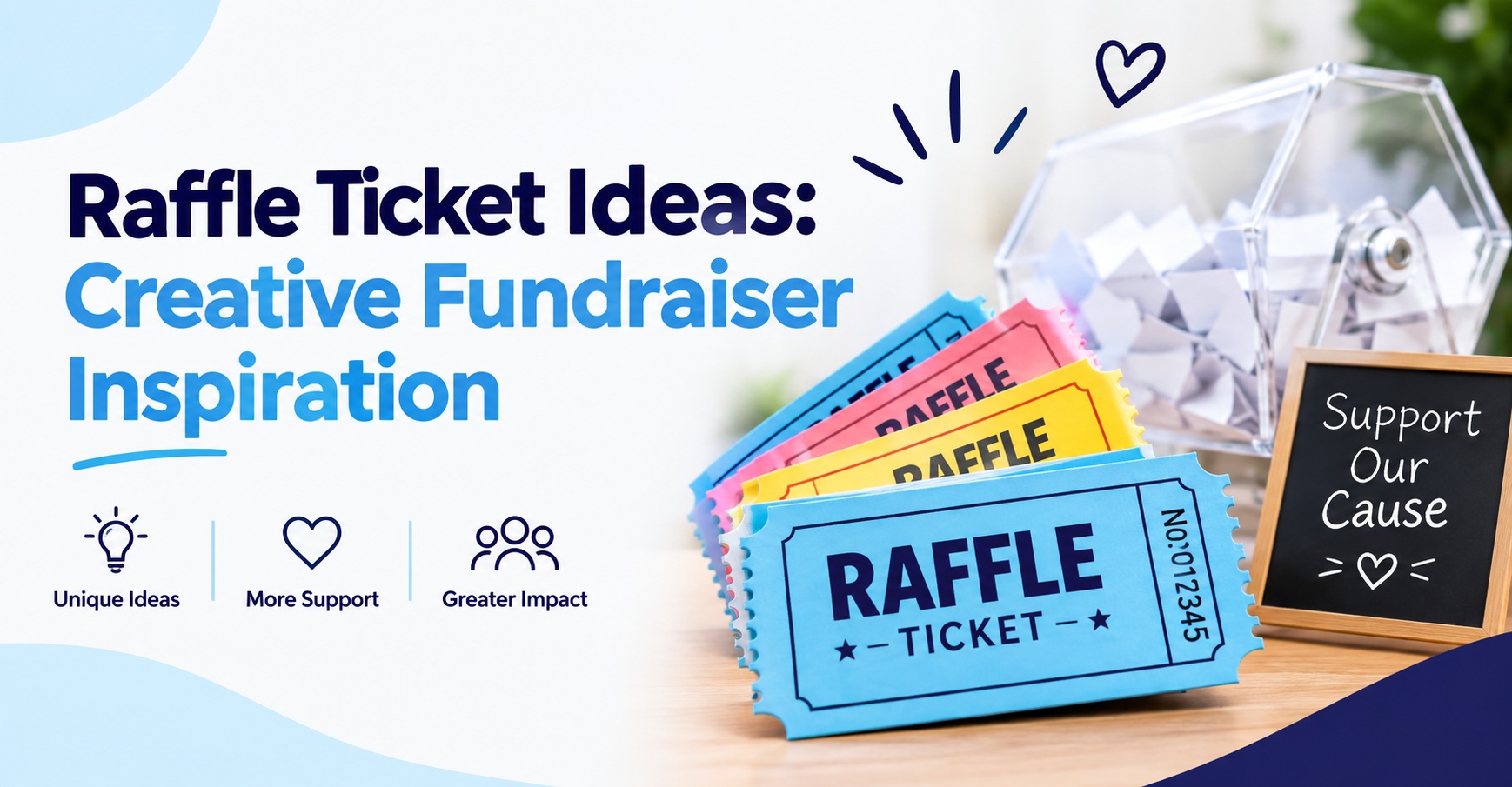
If you’re planning a raffle, the ticket itself is only half the equation — the other half is figuring out what to raffle, how to structure the drawing, and how to design tickets that actually get people reaching for their wallets. Whether you’re organizing a school carnival, a church fundraiser, or a nonprofit gala, the right combination of prizes and ticket format can be the difference between a raffle that barely covers its costs and one that becomes your organization’s biggest fundraiser of the year.
This guide walks through practical raffle ticket ideas — from prize categories that consistently perform well to different raffle formats and design choices — so you can plan a fundraiser that’s easy to run and genuinely appealing to your supporters.
What Makes a Raffle Ticket Idea Work
Before picking prizes or a raffle style, it helps to know what separates a raffle that sells out from one that struggles. A few things tend to matter most:
- The prize feels attainable and desirable. People buy more tickets when they can picture themselves actually winning and using the prize.
- The price of a ticket matches the value of the prize. A $5 ticket for a shot at a flat-screen TV feels like a good bet; a $20 ticket for a $25 gift card usually doesn’t.
- The raffle is easy to understand. Confusing rules or unclear odds discourage participation.
- The tickets themselves look legitimate and professional. Numbered, sequential, and clearly branded tickets build trust that the drawing is fair.
With that foundation in place, the next step is choosing what to raffle.
Raffle Prize Ideas by Category
Most successful fundraisers don’t rely on just one prize. Offering a mix of prize types — some big, some small, some donated, some purchased — gives more people a reason to buy in.
Cash and Gift Card Prizes
Cash raffles and gift card raffles are popular because they appeal to almost everyone, regardless of hobbies or interests.
- Cash prize (a set dollar amount, or a percentage of ticket sales)
- Visa or Mastercard prepaid gift cards
- Grocery store gift cards
- Restaurant gift card bundles
- Gas station gift cards
A 50/50 raffle is one of the simplest cash-based formats: half the pot goes to the winner, and half goes to your organization. It requires no prize sourcing at all, which makes it a good option for groups with limited time to plan.
Experience and Travel Prizes
Experiences tend to generate excitement because they’re memorable in a way that physical items sometimes aren’t.
- Weekend getaway or hotel stay
- Airline vouchers or travel miles
- Concert, theater, or sporting event tickets
- Amusement park or zoo passes
- A guided local experience (wine tasting, cooking class, boat tour)
Local Business Gift Baskets
Local business donations keep costs low while also strengthening community ties. Reaching out to local businesses for in-kind donations is one of the most common ways nonprofits and schools stock their raffle without spending fundraising dollars upfront.
- Gift baskets built around a theme (spa day, coffee lovers, movie night)
- Salon or spa gift certificates
- Restaurant dinner-for-two packages
- Local brewery or winery gift sets
- Auto detailing or car wash packages
Big-Ticket Items
A single high-value item can anchor an entire raffle and drive early ticket sales, especially if it’s featured prominently in your promotion.
- Television or home theater system
- Smart home devices or appliance bundles
- Power tools or outdoor equipment
- High-end grill or smoker
- Golf clubs or other sports equipment
Themed and Seasonal Prizes
Matching prizes to the season or the event itself makes the raffle feel more intentional and can boost interest.
- Holiday basket (Christmas décor, Halloween candy bundle, Easter gift set)
- Summer prize pack (cooler, beach gear, grilling kit)
- Back-to-school bundle for a PTA fundraiser
- Tailgate package for a sports-themed event
Sports and Hobby-Related Prizes
For teams, booster clubs, and hobby-based organizations, prizes tied to the group’s interests tend to outperform generic ones.
- Autographed memorabilia (when authenticity can be verified)
- Season tickets or single-game tickets
- Fishing, camping, or hunting gear
- Craft supplies or hobby kits
- Fitness equipment or gym memberships
Home and Lifestyle Prizes
- Furniture piece or home décor bundle
- Small kitchen appliances (espresso machine, air fryer, stand mixer)
- Bedding or linens set
- Landscaping or lawn care service package
Kid- and Family-Friendly Prizes
For school raffles and family-oriented events, prizes should reflect who’s actually buying tickets — often parents and grandparents.
- Toy bundles or LEGO sets
- Family pass to a local attraction
- Bicycle or scooter
- Class party or “lunch with the principal” experience (a popular low-cost option for a school raffle fundraiser)
Raffle Format Ideas Beyond a Standard Drawing
The prize isn’t the only variable you can get creative with. How the raffle itself is structured affects both how much you raise and how much excitement builds along the way.
Early bird raffle. Sell tickets over several weeks and hold a smaller drawing partway through for anyone who’s already purchased, before the main drawing at the end. This rewards early buyers and keeps momentum going instead of a last-minute rush. Many organizations run an early bird raffle alongside their main raffle for exactly this reason.
Reverse raffle. Instead of drawing a winner, names are drawn one at a time and eliminated — the last ticket remaining wins. This format tends to keep a room engaged for longer, which works well at in-person galas and banquets.
Basket raffle. Multiple themed baskets are displayed, and participants drop tickets into a container next to the basket they want to win, rather than a general pool. This lets people target prizes they actually want.
Calendar raffle. One ticket entry is used for daily or weekly drawings across a full month, spreading out smaller prizes over time instead of one large event.
Split-the-pot / 50/50. As mentioned above, this is the simplest format and requires no prize sourcing — just tickets and a drawing.
Choosing a format often comes down to your event type: a gala or banquet suits a reverse raffle or basket raffle, while an ongoing fundraiser (like a PTA or church campaign) may do better with an early bird structure or a calendar raffle.
Matching Prizes to Your Audience
A common mistake is choosing prizes the organizing committee likes rather than what the actual ticket buyers want. Before finalizing your prize list, consider:
- Who is buying tickets? Parents at a school event, coworkers at an office fundraiser, and season-ticket holders at a sports booster raffle all respond to different prizes.
- What’s the average disposable income of your audience? A $500 prize might excite one crowd and feel out of reach — or underwhelming — to another.
- What’s realistic to source? A prize you can’t reliably obtain or fulfill will create more problems than it solves.
If you’re unsure how many tickets you’ll realistically sell, it’s worth thinking through your numbers before committing to expensive prizes. Our guides on how to calculate raffle odds and how much to charge for raffle tickets can help you set expectations that make sense for your prize budget.
Budget-Friendly Raffle Ideas
Not every organization has money to spend on prizes upfront, and many of the most successful raffles are built entirely on donated items.
- Ask local businesses for in-kind donations. Many are willing to donate a product or service in exchange for being named as a sponsor.
- Solicit prizes from board members, staff, or families. A gift card someone isn’t using, a handmade item, or a service (like a home-cooked dinner or a homemade cake) can all work as smaller prizes.
- Bundle smaller donated items into a themed basket. Several 10–20 items combined feel more substantial than any one of them alone.
- Offer a “donor-recognition” tier. Some organizations let a business sponsor a prize and receive signage or a shoutout, which can make solicitation easier.
Designing Raffle Tickets That Support Your Prize Strategy
Once you know what you’re raffling, the tickets themselves should reinforce it. A few practical considerations:
- Numbered, perforated tickets make it easy to track sales and verify winners, and they look more credible to participants than handwritten or photocopied tickets.
- Include the prize description directly on the ticket when possible, especially for basket raffles where tickets go into specific containers.
- Match your ticket design to your event’s branding — colors, logo, and event name help tickets feel like part of a cohesive fundraiser rather than an afterthought.
- Decide between custom-designed tickets and a template early. If your committee wants full control over the design, a raffle ticket template can save time. If you’d rather have someone else handle the layout, a custom design service can produce something polished without extra work on your end.
As an established raffle ticket printing company, Raffles For Less offers both DIY template options and full custom design, along with numbered and perforated printing, fast turnaround, and free shipping — so once your prizes and format are set, ordering tickets is one less thing to worry about. You can compare options and see current raffle ticket pricing before placing an order.
Common Mistakes to Avoid
- Choosing too many similar prizes. A raffle with ten gift baskets and nothing else can feel repetitive. Aim for variety.
- Overpricing tickets relative to the prize value. If the math doesn’t feel fair to buyers, sales will slow.
- Underestimating fulfillment logistics. Large prizes (furniture, appliances, trips) need a clear plan for delivery or pickup.
- Not checking local raffle rules before selling tickets. Raffle regulations — including licensing, permitted prize types, and reporting requirements — vary by state and sometimes by county or municipality, and requirements can differ for nonprofits, schools, and other organization types. It’s worth confirming current rules with your state’s gaming or charitable solicitations office before your event, since this guide isn’t a substitute for that verification.
- Waiting too long to promote. Even the best prize lineup underperforms if ticket sales only start a week before the drawing.
How Many Prizes Should You Offer?
There’s no single right number, but a useful approach is to think in tiers:
- One or two “grand prizes” that anchor your promotion and get people talking.
- Three to five mid-tier prizes (gift baskets, gift cards, experiences) that give more people a realistic shot at winning something.
- Several smaller prizes for a calendar raffle or as consolation drawings, if your format includes them.
This tiered structure spreads excitement across the whole event instead of concentrating it on a single drawing, and it gives you more items to highlight in your marketing leading up to the raffle.
FAQs About Raffle Ticket Ideas
What are the best raffle prizes for a small fundraiser? Gift cards, local business donations, and themed baskets tend to work best for smaller fundraisers because they’re low-cost, easy to source, and appeal to a wide range of ticket buyers.
How do I get prize donations for a raffle? Reach out directly to local businesses with a short letter or email explaining your organization, the event, and what you’re requesting. Many businesses are more willing to donate when you offer visibility in return, such as a mention on your tickets, signage, or social media.
What raffle format raises the most money? It depends on your audience and event type. Early bird raffles and multi-tier prize structures often extend ticket sales over a longer period, which can increase total revenue compared to a single drawing with one prize.
Should raffle prizes match a theme? It’s not required, but themed prizes (seasonal baskets, sports memorabilia for a booster club, family experiences for a school event) tend to feel more relevant to your specific audience and can make promotion easier.
How many raffle tickets should I print? Print more than your realistic sales goal so you don’t run out, but avoid over-ordering to the point of significant waste. Numbered tickets make it easy to track exactly how many have sold as you go.
Are cash prizes better than physical prizes? Cash and gift card prizes have broad appeal since they work for anyone, while physical prizes and experiences can generate more excitement and are often easier to obtain through donations. Many raffles combine both.
Do I need a license to run a raffle? In many states and municipalities, yes — but requirements vary widely by location and organization type. Check with your state’s gaming commission, attorney general’s office, or local charitable solicitations authority before finalizing your raffle plans.
Bringing Your Raffle Ideas to Life
Good raffle prizes and a clear format get people interested — professional, numbered tickets are what make the whole thing feel organized and trustworthy once you’re ready to sell. Once you’ve settled on your prize lineup and raffle structure, the next step is choosing tickets that match the scale and tone of your event, whether that’s a simple template or a fully custom design.