Planning a raffle fundraiser and staring at a blank page for prize and theme ideas? You’re not alone. Most fundraising committees don’t struggle with the concept of a raffle they struggle with picking ideas that get people excited enough to actually buy tickets.
This guide walks through practical, proven fundraising raffle ideas organized by budget, audience, and format, along with the ticket and pricing strategies that turn a decent raffle into a genuinely profitable one. Whether you’re running a raffle for a school, church, sports team, or community nonprofit, you’ll find ideas here you can put to use right away.
What Makes a Raffle Idea Actually Work
Before jumping into specific ideas, it helps to understand why some raffles raise a few hundred dollars while similar organizations raise thousands with what looks like the same basic setup.
A raffle idea works when it hits three things at once:
- It’s desirable to your specific audience. A cooler full of steaks might be a huge draw at a hunting club fundraiser and completely miss the mark at a preschool auction.
- It feels attainable. People buy more tickets when the odds feel reasonable, which is why smaller ticket pools or multiple prize tiers often outperform a single big-ticket item with thousands of entries.
- It’s easy to say yes to. Clear pricing, simple ticket options, and a straightforward way to buy (in person, online, or both) remove friction that otherwise kills sales.
Keep these three filters in mind as you go through the ideas below — they’ll help you pick the ones that actually fit your group instead of just copying a list.
Raffle Prize Ideas by Budget
The right prize depends heavily on what your organization can realistically source, whether through purchase, donation, or a local business partnership. Here’s a practical breakdown by budget level.
Low-Cost and No-Cost Prize Ideas
These work well for smaller raffles, classroom fundraisers, or as secondary prizes alongside a grand prize.
- Gift cards to local restaurants or coffee shops (often donated by the business)
- A themed gift basket (wine and cheese, spa items, coffee lover’s basket, movie night basket)
- Reserved parking spot for a semester or season
- “Skip the chore” passes for kids’ fundraisers
- Homemade baked goods or a dinner cooked by a staff member or coach
- Local business services (haircut, car detailing, lawn care)
- Board games, puzzles, or a family game night bundle
Mid-Range Prize Ideas
These tend to be the sweet spot for most nonprofit and school raffles — valuable enough to drive real interest without requiring a huge upfront investment.
- Small kitchen appliances (espresso machine, air fryer, stand mixer)
- Weekend staycation package at a local hotel
- Tickets to a sporting event, concert, or theater show
- Outdoor gear bundle (grill, patio furniture, camping kit)
- A year of a popular subscription service or meal kit
- Electronics like tablets, smartwatches, or wireless earbuds
High-Value Grand Prize Ideas
Reserved for larger raffles where a bigger investment or a sponsor is backing the prize.
- Vacation package or all-inclusive trip
- Cash prize (a straightforward draw for many adult-focused raffles)
- A used vehicle, boat, or ATV (often donated by a local dealership)
- High-end electronics package (gaming setup, home theater system)
- Home improvement package (appliance upgrade, landscaping credit)
A note on prize sourcing: many organizations underestimate how willing local businesses are to donate prizes in exchange for recognition. A simple ask, paired with a promise to promote the sponsor on your raffle tickets and event materials, often costs nothing but a conversation.
Themed Raffle Ideas for Different Organizations
Generic raffles raise generic money. Raffles tied to your organization’s identity tend to raise more, because the theme itself becomes part of the pitch.
School Fundraiser Raffle Ideas
- Classroom basket raffle, where each grade or homeroom builds and donates a themed basket
- “Golden ticket” raffle for a special privilege, like lunch with the principal or a no-homework pass
- Teacher-donated experiences, such as a class party or field trip add-on
- Back-to-school supply bundle raffle timed for late summer
If you’re organizing a raffle for a school specifically, this guide on running a school raffle fundraiser covers logistics that are worth reviewing alongside your prize planning.
Church and Faith-Based Raffle Ideas
- Handmade or donated quilt or artwork raffle
- Family faith retreat or camp weekend
- Home-cooked meal train or holiday dinner package
- Book or devotional bundle for a smaller-scale raffle
Sports Team and Booster Club Raffle Ideas
- Autographed memorabilia (jersey, ball, or team photo)
- Season tickets or a private suite experience
- Tailgate package (grill, cooler, team gear)
- 50/50 raffle run during a game, where half the pot goes to the winner and half funds the team
Community and Civic Organization Raffle Ideas
- Local “shop small” basket featuring gift cards from several nearby businesses
- Home services package (cleaning, landscaping, or a handyman day)
- Themed dinner or wine pairing hosted by a local restaurant
- Split-the-pot raffle at a community event or festival
Raffle Formats Worth Considering
Sometimes the format matters more than the prize itself. A few formats consistently perform well for fundraising groups:
50/50 raffles. Half the ticket revenue goes to the winner, half goes to the cause. These are popular because the payout scales with participation, and there’s no need to source a physical prize.
Reverse raffles. Instead of drawing a winner, names are drawn and eliminated one at a time until only one ticket remains. This format keeps a room engaged for much longer than a standard single draw.
Basket or “Chinese” raffles. Multiple prize baskets are displayed, and participants place tickets in the box next to the basket they want to win. This lets people spend their tickets on prizes they actually want, which tends to increase total ticket sales.
Calendar raffles. A single ticket enters someone into a drawing that pays out smaller prizes throughout an entire month or year. These work well for ongoing fundraising rather than a single event.
Early bird raffles. A bonus drawing for anyone who buys or renews their ticket before a set deadline. This is one of the most effective ways to front-load ticket sales and build momentum before your main event. If you haven’t run one before, this breakdown of how an early bird raffle works explains how to structure the incentive and timing.
Raffle Ticket Ideas That Actually Increase Sales
Great prizes only go so far if the tickets themselves feel unprofessional or confusing. A few things consistently move the needle:
- Use numbered, perforated tickets. This keeps your drawing organized, gives buyers a stub to hold onto, and signals that your raffle is being run properly — which matters more to donors than people expect.
- Offer simple pricing tiers, like $5 for one ticket or $20 for five. Bundled pricing consistently outsells flat per-ticket pricing because it nudges people toward buying more.
- Design tickets that match your event or organization, including your logo, colors, and prize details. A ticket that looks intentional builds more trust than a generic template.
- Print enough tickets, but not too many. Overprinting can make a raffle feel like a low-odds long shot, which discourages participation. If you’re unsure how many to print or what to charge, this guide on how much to charge for raffle tickets and this one on calculating raffle odds both walk through the math.
- Make it easy to sell in more than one place. Physical tickets for in-person selling, paired with a clear pricing structure, tend to outperform digital-only approaches for community and school fundraisers, since many buyers still prefer cash-and-stub transactions.
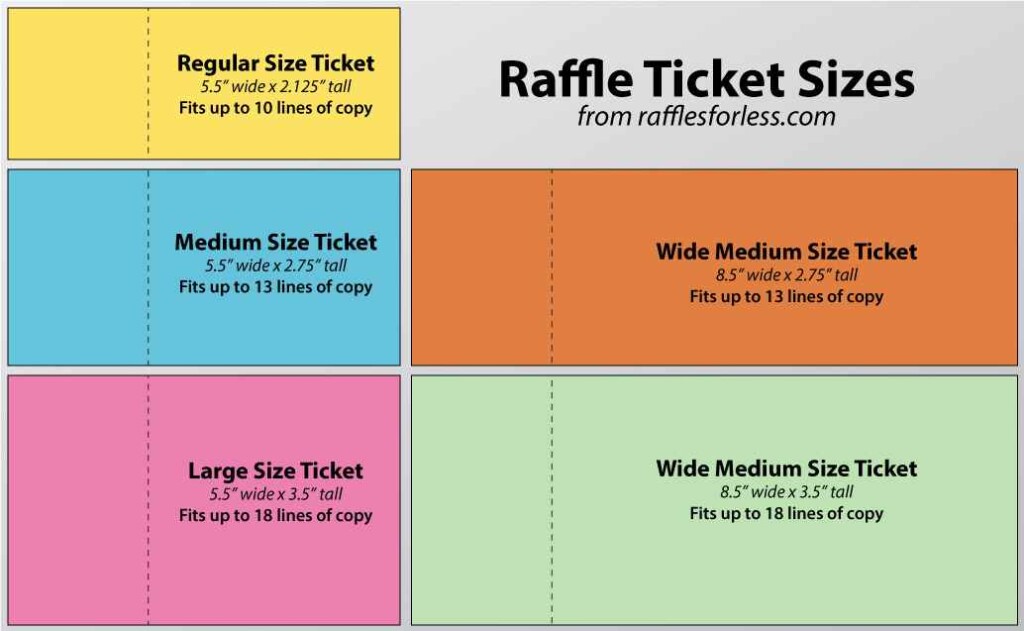
If you’d rather not design tickets from scratch, browsing raffle ticket templates is a fast way to see layout options before finalizing your own design.
How to Choose the Right Raffle Idea for Your Group
With so many options, narrowing things down comes down to a few honest questions:
- Who is actually buying tickets? Parents, congregation members, sports fans, and general community donors all respond to different prizes.
- What can you source without spending money you don’t have? Donated prizes protect your margin far better than purchased ones.
- How big is your ticket-buying audience? A large audience can support a bigger grand prize; a smaller one often does better with several modest prizes than one expensive item few people believe they’ll win.
- How much organizing capacity do you have? A basket raffle with ten prize categories takes more coordination than a single 50/50 draw. Match the complexity of the format to your volunteer bandwidth.
Common Mistakes to Avoid
- Picking a prize the committee likes instead of one the audience wants. The people organizing the raffle aren’t always the people buying tickets.
- Underpricing tickets relative to the prize value. If the prize is worth $500 and tickets are $1 each with no limit, buyers may sense the odds are too thin to feel exciting.
- Skipping tiered pricing. A flat single-ticket price leaves money on the table compared to simple bundle deals.
- Not confirming raffle rules ahead of time. Running into legal or logistical issues mid-event is avoidable with a little upfront research (more on this below).
- Waiting until the last minute to order tickets. Rushed printing limits your design options and can create last-minute stress that’s easy to avoid with earlier planning.
Raffle Rules and Legal Considerations
Raffle regulations vary significantly by state, and in some cases by county or municipality, as well as by the type of organization running the raffle. Requirements can include registration, licensing, limits on prize value, restrictions on who can sell tickets, and rules around how proceeds must be used or reported.
Because these rules differ so widely, this article isn’t a substitute for legal guidance. Before finalizing your raffle plans, it’s worth checking with your state’s attorney general office, gaming commission, or a similar regulatory authority, since requirements for nonprofits, schools, and religious organizations aren’t always the same. A little verification upfront can save your organization from complications later.
Bringing Your Raffle Idea to Life
Once you’ve settled on a prize, theme, and format, the last step is turning it into a raffle people can actually participate in. That usually means finalizing your pricing structure, deciding how many tickets to print, and getting professionally designed, numbered tickets that make your raffle look organized and trustworthy.
Raffles For Less prints custom raffle tickets for nonprofits, schools, churches, and community groups across the country, with numbered and perforated ticket options, fast turnaround, and free shipping. If you already have a raffle idea in mind, the next step is usually deciding on ticket quantity and pricing this raffle ticket pricing guide is a good place to start before placing an order.
Frequently Asked Questions
What is the easiest raffle idea for a small fundraiser? A 50/50 raffle is generally the simplest option since it doesn’t require sourcing a physical prize. Half the ticket sales go to the winner, and half go directly to your cause.
How many raffle prizes should we have? It depends on your ticket-buying audience. Smaller groups often do better with one strong grand prize, while larger events benefit from multiple prize tiers or a basket raffle format that gives buyers more ways to win.
What raffle prizes sell the most tickets? Prizes that are broadly desirable and easy to picture using cash, gift card bundles, and well-known experiences tend to outsell niche or overly specific items, unless your audience is highly specialized, like a sports team booster group.
Do raffle prizes need to be expensive to be effective? No. A well-organized raffle with several modest, donated prizes can outperform a single expensive prize, especially if the ticket pricing and odds feel reasonable to buyers.
How do we decide how much to charge per raffle ticket? Ticket pricing should reflect the value of your prize, your expected audience size, and your fundraising goal. Tiered pricing, such as one ticket for $5 or five for $20, typically increases total sales compared to flat per-ticket pricing.
Is it legal to run a raffle for fundraising? Raffles are legal in most states for qualifying nonprofits, schools, and similar organizations, but rules on registration, licensing, and prize limits vary by state and locality. Check with your state’s regulatory authority before running your raffle.
Can we sell raffle tickets both online and in person? Yes, and many organizations find that offering both options increases total sales, since some buyers prefer cash transactions with a physical ticket stub while others prefer paying online.
What’s the difference between a 50/50 raffle and a basket raffle? A 50/50 raffle splits the total ticket revenue between the winner and the organization, with no physical prize involved. A basket raffle features multiple prize baskets, and participants choose which basket to enter by placing their tickets in that basket’s box.