How to Sell More Raffle Tickets: A Practical Guide for Fundraisers
Raffles only raise as much money as the tickets you actually sell. A great prize and a solid goal won’t matter much if ticket sales stall out after the first week. The good news is that most low-selling raffles share the same fixable problems: unclear pricing, weak promotion, and a sales process that makes it too hard for people to say yes.
This guide walks through how to sell more raffle tickets for your fundraiser, whether you’re running a school event, a church fundraiser, a sports team booster raffle, or a community nonprofit campaign. You’ll get practical steps for pricing your tickets, promoting them online and in person, and avoiding the mistakes that quietly cap how much a raffle can raise.
Why Raffle Ticket Sales Stall (and How to Fix It)
Before diving into tactics, it helps to understand why raffle sales slow down in the first place. Most organizers run into one or more of these issues:
- The price feels confusing or too high for the perceived value
- People don’t know the raffle exists, or hear about it too late
- There’s no easy way to buy a ticket without physically finding someone selling them
- The prize doesn’t feel exciting enough to justify buying more than one entry
- There’s no urgency, so people put off buying until it’s too late
Fixing raffle ticket sales usually comes down to addressing these five points directly, rather than just “promoting harder.” The sections below cover each one.
Step 1: Price Your Raffle Tickets to Encourage Bigger Purchases
Pricing is one of the biggest levers you have, and it’s worth getting right before you print a single ticket.
How much should you sell raffle tickets for? Most fundraising raffles price single tickets somewhere between $5 and $25, then offer a bundle discount, such as 1 for $10 or 3 for $25. The bundle discount is what actually drives volume: it nudges buyers who were only going to buy one ticket into buying three or five instead, because the per-ticket price drops.
A few pricing approaches that tend to work well:
- Single ticket + bundle pricing – for example, $10 each or 3 for $25. This is the most common structure because it’s easy to understand and print clearly on the ticket.
- Tiered pricing based on prize value – higher-value prizes (like a vacation package or a large cash prize) can support higher ticket prices, since buyers weigh the price against the odds and payout.
- 50/50 raffle pricing – for a 50/50 raffle specifically, keep the entry price low (1–5) since the appeal is volume, not exclusivity. More on this below.
If you’re not sure where to start, our guide on how to price raffle tickets for a fundraiser breaks down pricing by prize type and audience size in more detail.
How to Sell More 50/50 Raffle Tickets
50/50 raffles work differently than prize raffles because the payout grows with sales, which you can use as a selling point. A few things that specifically move the needle for 50/50 sales:
- Announce a running total (“the pot is already at $340!”) throughout the event, not just at the end
- Keep the entry price low enough that people buy in multiples without thinking twice
- Sell tickets continuously throughout the event rather than only at one table at the start
- Make it clear when the drawing will happen so people don’t miss their chance to buy in
Because 50/50 raffles are regulated differently than prize raffles in many states, check your state and local requirements before running one — rules on licensing, payout percentage, and eligible organizations vary widely.
Step 2: Make It Easy to Buy a Ticket
A surprising number of raffles lose sales simply because buying a ticket takes too much effort. If someone has to track down a specific volunteer, dig cash out of their wallet, or wait until the next meeting, you’ve already lost some of them.
Ways to reduce friction:
- Accept multiple payment methods (cash, card readers, mobile payment apps, or an online option)
- Sell tickets in more than one place — before, during, and after the event, not just at one table
- Give ticket sellers a clear, simple pitch and printed tickets they can hand over immediately
- If your raffle rules and any required state registration allow it, offer a way to buy tickets online so out-of-town supporters (grandparents, alumni, extended family) can participate too
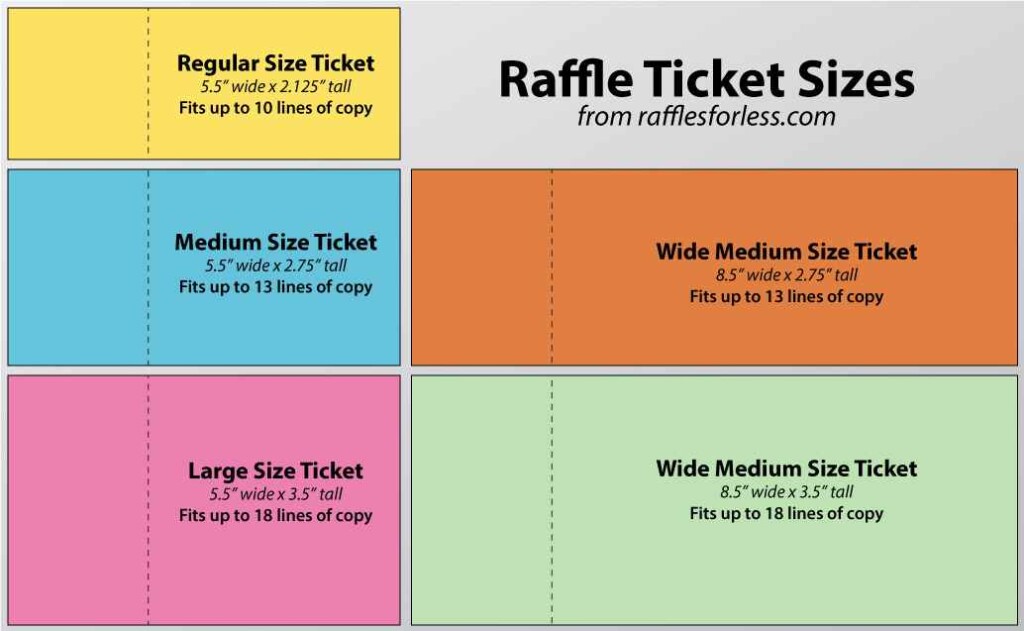
This is also where physical ticket design matters more than people expect. Numbered, perforated tickets with a stub for the buyer make transactions feel official and trustworthy, which matters when you’re asking people to hand over cash for a chance at a prize. It’s one reason many organizations move away from homemade tickets once they’ve run a raffle or two.
Step 3: Sell Raffle Tickets on Facebook
Facebook remains one of the most effective free channels for fundraising raffles, especially for schools, churches, and local community groups where the audience is already connected through the platform.
How to sell raffle tickets on Facebook, step by step:
- Post a clear photo of the prize with the ticket price and how to buy, right in the caption — don’t make people click through to find pricing
- Share the post to your organization’s Facebook Group and ask board members or parents to share it to their own pages
- Post again 2–3 times before the drawing with reminders and, if applicable, an updated countdown (“3 days left!”)
- Use Facebook’s event feature if the raffle is tied to a specific event, so people can RSVP and get reminders
- Pin the post to the top of your page so it’s the first thing visitors see
Avoid posting once and assuming it will circulate on its own. Raffle posts typically need a few reminder posts as the deadline approaches, since most people who see a post the first time don’t act immediately.
How to Sell Raffle Tickets on Instagram
Instagram works a little differently since it’s more visual and time-limited content (Stories) performs well for urgency-driven pushes.
- Post the prize as a feed post with pricing in the caption, the same way you would on Facebook
- Use Instagram Stories with a countdown sticker leading up to the drawing date
- Tag any local businesses that donated the prize — they’ll often reshare it to their own followers, expanding your reach for free
- Use a link sticker in Stories if you’re selling tickets online, so people can buy in one tap instead of searching for a link in your bio
Step 4: Sell Raffle Tickets Online
Selling raffle tickets online opens up your fundraiser to people who can’t attend in person — out-of-town family, alumni, past donors, and supporters who are more likely to buy from their phone than carry cash to an event.
If you go this route, a few practical considerations:
- Check whether your state requires specific licensing or registration for online or electronic raffle sales, since rules vary and some states have additional requirements for raffles that cross county or state lines
- Choose a simple, mobile-friendly way to collect payment and confirm entries
- Still print physical tickets for your records and for the drawing itself, even if sales happen online, so you have a clear, auditable list of entries
- Promote the online sales link everywhere you promote the raffle in general — email, social media, and your website
Online sales work best as an addition to in-person sales, not a full replacement, especially for community-based raffles where a lot of ticket sales still happen face-to-face at events, church services, or practices.
Step 5: Promote the Raffle Like It’s an Event, Not an Afterthought
How to promote raffle ticket sales comes down to treating the raffle as its own mini-campaign with a beginning, middle, and end, rather than a single announcement.
A simple promotion timeline that works for most organizations:
| Timeframe | What to Do |
| 3–4 weeks before drawing | Announce the raffle, reveal the prize, share pricing |
| 2 weeks before | Post reminders on social media, send an email or newsletter blast |
| 1 week before | Ramp up urgency — countdown posts, in-person reminders, last-chance messaging |
| Day of drawing | Final reminder push, then announce the winner publicly |
Other promotion ideas worth considering:
- Ask every board member, coach, teacher, or volunteer to personally sell a set number of tickets rather than leaving sales to chance
- Offer an early bird incentive for people who buy before a certain date this front-loads cash flow and creates urgency without discounting the whole raffle. Our guide to running an early bird raffle covers how to structure this.
- Feature the raffle in any existing communication channels you already have (email lists, church bulletins, team group chats) instead of relying only on new posts
- Print flyers with a QR code linking to your online ticket sales or Facebook post, and post them anywhere your supporters already gather
Step 6: Choose a Prize People Actually Want to Win
This one is often overlooked, but it directly affects how many tickets you sell, especially repeat entries. A prize that’s broadly appealing (cash, gift cards, a popular electronics bundle, a getaway) tends to outsell a niche prize that only appeals to a small slice of your audience.
If you’re relying on donated prizes, consider bundling smaller donations into one larger, more attractive prize package rather than running several small raffles for individual items. One well-promoted raffle with a strong prize usually outperforms several smaller raffles competing for the same audience’s attention.
Common Mistakes That Slow Down Raffle Ticket Sales
- Waiting too long to start promoting. A raffle announced a week before the drawing rarely reaches its full potential.
- Pricing without a bundle option. Single-ticket-only pricing leaves money on the table compared to a “3 for $25” style structure.
- Selling in only one place. Relying on a single table or a single social post limits your reach.
- Unclear rules. If buyers aren’t sure how or when the drawing happens, some will hesitate to buy.
- Using tickets that look unofficial. Handwritten or unnumbered tickets can undercut buyer confidence, especially for larger raffles.
- No urgency. Without a clear deadline and reminders, people put off buying until they forget entirely.
How Professionally Printed Tickets Support Higher Sales
Everything above pricing, promotion, and making tickets easy to buy works best when the tickets themselves look professional and trustworthy. Numbered, perforated tickets with a stub give buyers a clear record of their entry and give your organization a reliable way to run a fair, easy-to-manage drawing.
Raffles For Less prints custom raffle tickets for U.S. nonprofits, schools, churches, and community organizations, with numbered and perforated options, fast turnaround, and free shipping. If you’d rather not design tickets from scratch, browsing raffle ticket templates is a quick way to get a professional-looking ticket without starting from a blank page. Once you know your pricing and quantity, you can review raffle ticket pricing to plan your order around your event timeline.
FAQ: Selling Raffle Tickets for a Fundraiser
How many raffle tickets should I sell to make a profit? It depends on your prize cost and ticket price, but a common approach is to set your ticket price and quantity so that total potential sales comfortably exceed the cost of the prize, printing, and any licensing fees, leaving a clear margin for your cause.
What’s the best way to sell raffle tickets fast? Combine in-person selling (events, tables, personal asks from volunteers) with online and social promotion, and give buyers a clear deadline. Raffles that use multiple channels at once tend to sell out faster than those relying on a single method.
Do I need a license to sell raffle tickets? In many states, nonprofits need to register or obtain a permit before running a raffle, and requirements vary by state and sometimes by county. Check with your state’s charitable gaming or attorney general’s office before launching your raffle.
Can I sell raffle tickets online legally? This depends on your state’s specific rules around raffles and online or electronic sales, which vary significantly. Verify current requirements with your state’s regulatory authority before selling tickets online.
How do I calculate the odds for raffle tickets? Odds depend on how many tickets are sold and how many prizes are being given away. For a full breakdown, see our guide on how to calculate raffle odds.
What’s a good raffle ticket price for a school fundraiser? School raffles often price tickets between $5 and $20 depending on the prize, with bundle discounts to encourage larger purchases. Our guide to running a raffle for a school fundraiser has more specific guidance for school settings.
How far in advance should I start selling raffle tickets? Most successful raffles start promoting 3–4 weeks before the drawing, giving enough time for awareness to build without losing momentum from starting too early.
Final Thoughts
Selling more raffle tickets isn’t about one clever trick — it’s about removing friction, pricing to encourage bigger purchases, promoting consistently across multiple channels, and giving buyers a reason to act before the deadline. Get those fundamentals right, and even a modest prize can turn into a strong fundraising result.
When you’re ready to move from planning to printing, Raffles For Less offers custom, numbered, perforated raffle tickets with fast turnaround and free shipping, so you can spend your time selling instead of designing.