Running a raffle fundraiser sounds simple—pick a prize, print tickets, and draw a winner. In reality, the most successful fundraisers are carefully planned, well-promoted, and designed to keep supporters excited from the first ticket sold until the winning number is announced.
Whether you’re organizing a school fundraiser, church event, sports team raffle, nonprofit campaign, or community fundraiser, learning how to have a successful raffle fundraiser can dramatically increase participation and donations.
Successful organizations don’t rely on luck. They create attractive prizes, price tickets strategically, market consistently, and make purchasing tickets quick and convenient. Small improvements throughout the planning process often lead to significantly higher fundraising results.
This guide shares practical strategies, expert recommendations, and real-world fundraising ideas to help your next raffle become one of your organization’s most successful events.
How do you have a successful raffle fundraiser?
The key to how to have a successful raffle fundraiser is choosing attractive prizes, setting realistic fundraising goals, pricing tickets appropriately, promoting consistently across multiple channels, selling tickets early, following local raffle laws, and making it easy for supporters to participate. Organizations that plan ahead typically sell more tickets and raise more money.
Why Raffle Fundraisers Continue to Work
Raffles remain one of the most effective fundraising methods because they’re affordable, engaging, and accessible to nearly every type of organization.
Unlike expensive fundraising galas or auctions, raffles require relatively low startup costs while offering excellent revenue potential. Participants enjoy the excitement of winning a valuable prize while supporting a meaningful cause.
Successful raffle fundraisers work because they combine three powerful motivators:
- Supporting a local cause
- Winning an attractive prize
- Participating in a fun community event
Whether you’re raising money for new school equipment, youth athletics, animal shelters, churches, veterans’ organizations, or local charities, raffles provide an easy way for supporters to contribute.
What Makes a Raffle Fundraiser Successful?
Many organizations assume bigger prizes automatically create better results. While prizes matter, they’re only one piece of the puzzle.
The highest-performing fundraisers usually share these characteristics:
| Success Factor | Why It Matters |
| Clear fundraising goal | Gives supporters a reason to help |
| Attractive prizes | Encourages more ticket purchases |
| Professional ticket design | Builds credibility |
| Early promotion | Maximizes awareness |
| Consistent marketing | Keeps excitement high |
| Easy ticket purchasing | Removes barriers to buying |
| Organized drawing process | Builds trust and transparency |
Organizations that plan every stage—from announcing the raffle to selecting the winner—typically outperform those that focus only on selling tickets.
Set Clear Fundraising Goals Before Selling Tickets
Every successful raffle begins with a measurable objective.
Instead of saying,
“We hope to raise money.”
Define exactly what success looks like.
Examples include:
- Raise $8,000 for playground improvements.
- Sell 2,500 raffle tickets.
- Recruit 50 volunteer ticket sellers.
- Fund new uniforms for a youth sports league.
- Purchase updated classroom technology.
Having a clear goal helps determine:
- Ticket pricing
- Number of prizes
- Marketing budget
- Sales timeline
- Volunteer assignments
It also gives supporters a compelling reason to participate because they understand exactly how their purchase makes a difference.
Estimate Your Revenue Before Launching
A simple fundraising estimate helps avoid unrealistic expectations.
| Item | Example |
| Ticket Price | $10 |
| Tickets Printed | 3,000 |
| Estimated Tickets Sold | 2,200 |
| Expected Revenue | $22,000 |
| Prize Expenses | $3,000 |
| Printing Costs | $450 |
| Estimated Profit | $18,550 |
Creating a basic budget before launching allows organizers to make informed decisions throughout the campaign.
Understand Your Audience
One of the biggest fundraising best practices and pitfalls is assuming every supporter wants the same prize.
Different audiences respond to different incentives.
For example:
School Fundraisers
Parents often appreciate:
- Family vacation packages
- Grocery gift cards
- Electronics
- Theme park tickets
Church Fundraisers
Popular prizes include:
- Cash prizes
- Restaurant gift certificates
- Local business baskets
- Vacation getaways
Sports Team Fundraisers
Supporters frequently purchase tickets for:
- Signed memorabilia
- Team experiences
- Outdoor recreation packages
- Sporting event tickets
Animal Rescue Organizations
Winning prizes may include:
- Pet supply bundles
- Grooming packages
- Local shopping gift cards
Understanding your audience allows every marketing message to speak directly to what motivates potential buyers.
Choose the Right Type of Raffle
Not every fundraiser should use the same raffle format.
Selecting the right structure can improve participation and increase donations.
Here are several popular options.
Traditional Prize Raffle
Participants purchase tickets for a chance to win one or more prizes.
Best for:
- Schools
- Churches
- Nonprofits
- Community organizations
Advantages:
- Easy to organize
- Familiar to participants
- Low administrative costs
50/50 Raffle
A 50/50 raffle splits ticket revenue between the winning participant and the organization.
Example:
- Total ticket sales: $8,000
- Winner receives $4,000
- Organization keeps $4,000
Benefits include:
- No need to purchase expensive prizes
- Growing jackpot creates excitement
- Easy to promote
Reverse Raffle
A reverse raffle works differently than a traditional drawing.
Instead of drawing the winning ticket first, organizers continue eliminating ticket numbers until only one remains.
This format keeps participants engaged throughout the event because every remaining ticket becomes more valuable as the drawing continues.
Reverse raffles often pair well with dinner fundraisers and charity galas.
Choose Prizes People Actually Want
One of the easiest ways to increase ticket sales is offering prizes with broad appeal.
People buy raffle tickets because they imagine themselves winning.
The more exciting the prize, the easier it becomes to market.
Popular raffle prize ideas include:
- Cash prizes
- Vacation packages
- Smart TVs
- Laptops
- Gaming consoles
- Outdoor grills
- High-end coolers
- Restaurant gift cards
- Spa packages
- Event tickets
Whenever possible, ask local businesses to donate prizes.
Benefits include:
- Lower fundraising costs
- Community partnerships
- Additional promotional opportunities
Businesses often appreciate recognition in raffle advertisements and event signage.
Build Creative Prize Packages
Instead of offering unrelated items, bundle products into themed experiences.
Examples include:
Family Fun Basket
- Movie tickets
- Pizza gift cards
- Board games
- Popcorn package
Backyard BBQ Package
- Grill accessories
- Meat gift cards
- Cooler
- Outdoor chairs
Wellness Basket
- Massage certificate
- Fitness tracker
- Healthy snacks
- Spa products
Creative raffle basket ideas often generate more excitement than individual prizes of similar value because they provide a complete experience.
Combine Raffles with Silent Auctions
Many organizations maximize fundraising by offering multiple activities during the same event.
For example:
- Main raffle
- Silent auction basket ideas
- Live auction
- Bake sale
- Donation station
- Merchandise table
This approach creates multiple giving opportunities while keeping attendees engaged throughout the event.
Invest in High-Quality Raffle Tickets
Your tickets represent your organization.
Professionally printed raffle tickets help build trust and encourage purchases.
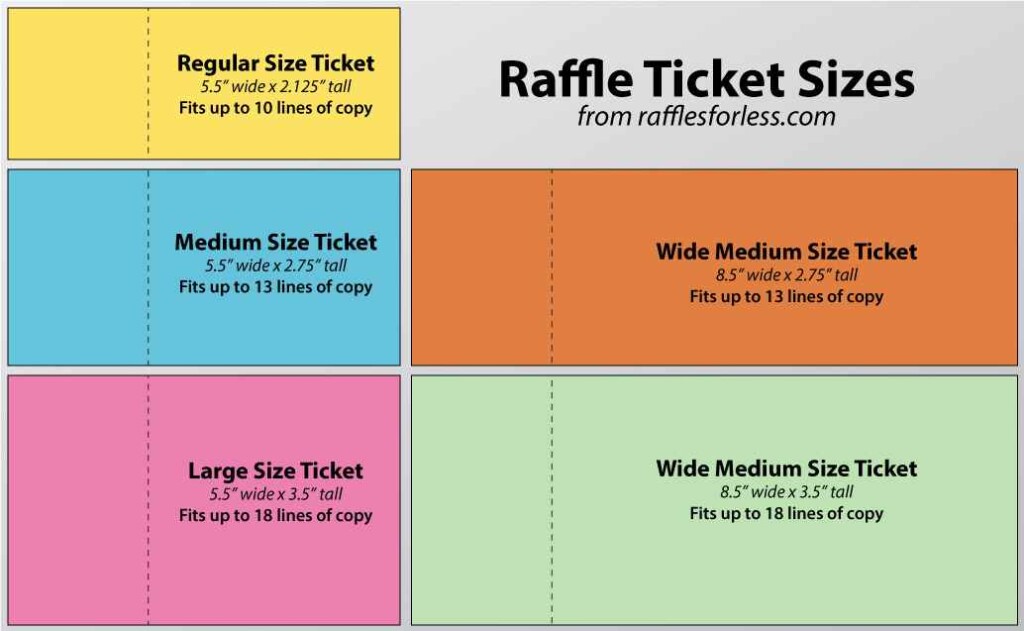
Well-designed tickets should include:
- Organization name
- Event title
- Prize information
- Drawing date
- Contact information
- Ticket number
- Stub for purchaser details
- Terms or eligibility information (if applicable)
Promote Your Raffle Early and Often
Even the best prizes won’t help if people don’t know about your fundraiser. Start promoting your raffle at least 4–6 weeks before the drawing and keep the momentum going.
Simple ways to increase ticket sales include:
- Share updates on Facebook and Instagram.
- Send email reminders to supporters.
- Ask volunteers to sell tickets within their networks.
- Display posters at local businesses.
- Encourage sponsors to promote the raffle online.
These tips for making fundraising raffle run faster can help you reach more buyers and keep excitement high.
Improve the Raffle Experience
Creating a positive experience encourages repeat supporters and builds trust.
Here are a few ways to focus on improving the raffle experience:
- Make ticket purchasing quick and easy.
- Clearly explain the prizes and drawing date.
- Announce winners publicly and professionally.
- Thank sponsors, volunteers, and participants.
- Share photos and fundraising results after the event.
A well-organized raffle leaves a lasting impression and increases the likelihood that supporters will return next year.
Common Mistakes to Avoid
Avoid these common fundraising best practices and pitfalls:
- Waiting too long to promote the raffle.
- Offering prizes that don’t interest your audience.
- Pricing tickets without a fundraising strategy.
- Printing too few tickets.
- Ignoring local raffle regulations.
- Failing to thank donors and volunteers after the event.
Planning ahead helps prevent these issues and keeps your fundraiser running smoothly.
Quick Checklist for a Successful Raffle
- Set a fundraising goal
- Choose attractive prizes
- Print professional raffle tickets
- Promote on multiple channels
- Recruit volunteers
- Follow local raffle laws
- Hold a fair and transparent drawing
- Thank everyone who participated
Conclusion
Learning how to have a successful raffle fundraiser is about more than choosing great prizes. The most successful organizations set clear goals, understand their audience, promote consistently, and create a positive experience from start to finish. By combining thoughtful planning, high-quality raffle tickets, creative raffle prize ideas, and effective marketing, your fundraiser can generate more ticket sales, strengthen community support, and raise more money for your cause.
Frequently Asked Questions
1. How do you have a successful raffle fundraiser?
Start with a clear fundraising goal, choose appealing prizes, promote your event early, and make it easy for people to purchase raffle tickets.
2. What are the best raffle prize ideas?
Cash prizes, gift cards, vacation packages, electronics, and themed gift baskets are among the most popular options.
3. How much should raffle tickets cost?
Pricing depends on your fundraising goal, prize value, and audience. Many organizations use single-ticket pricing along with discounted ticket bundles.
4. Are 50/50 raffle fundraisers effective?
Yes. A 50/50 raffle is popular because the prize grows as more tickets are sold, encouraging greater participation.
5. What is a reverse raffle?
A reverse raffle eliminates ticket numbers until only one remains, creating excitement throughout the drawing.
6. What are some creative raffle basket ideas?
Family movie night, BBQ baskets, spa packages, coffee lovers’ baskets, sports fan baskets, and holiday-themed gift sets are all popular choices.
7. Can I combine a raffle with a silent auction?
Absolutely. Adding silent auction basket ideas alongside your raffle gives attendees more opportunities to support your fundraiser.
8. How far in advance should I start promoting a raffle?
Begin promoting your raffle at least four to six weeks before the drawing to maximize ticket sales and community awareness.
9. What are the biggest raffle fundraising mistakes?
Common mistakes include poor promotion, weak prizes, unclear rules, and failing to comply with local raffle regulations.
10. Why are professional raffle tickets important?
Professionally printed raffle tickets improve credibility, simplify ticket tracking, and create a better experience for organizers and participants alike.