
A well-planned raffle fundraising campaign can give schools, nonprofits, churches, sports teams, and community organizations a simple way to generate revenue while getting supporters involved.
The basic idea is straightforward: participants purchase numbered tickets for a chance to win a prize, while the organization uses the proceeds to support a specific goal. But successful raffle fundraisers require more than choosing a prize and selling tickets. Your results depend on the raffle format, ticket price, prize appeal, promotion, organization, and compliance with applicable laws.
This guide explains how to run a raffle fundraiser from planning through the final drawing, with practical strategies you can use to increase participation and keep your campaign organized.
Why Use a Raffle for Fundraising?
Raffles work well because they combine fundraising with the excitement of winning. Instead of asking supporters to make a donation without receiving anything in return, a raffle gives them an opportunity to participate in a prize drawing.
A good fundraising raffle can offer several advantages:
- Low-cost entry for supporters
- Flexible ticket pricing
- Multiple prize options
- Easy promotion through existing networks
- Opportunities for local business sponsorships
- Strong community participation
- Potential for repeat fundraising campaigns
For schools, a raffle can support classroom supplies, field trips, athletic programs, technology, or special activities. Nonprofits can use fundraising raffles to support programs, community projects, and operating needs.
The key is to make the purpose clear. Instead of simply saying “Buy a raffle ticket,” tell supporters what their participation will help accomplish.
How to Plan a Raffle Fundraiser
Before ordering tickets or approaching donors, establish the foundation of your campaign.
1. Set a Specific Fundraising Goal
Start with a measurable target.
For example:
| Goal | Target |
| Classroom technology | $3,000 |
| School field trip | $5,000 |
| Youth sports equipment | $4,000 |
| Community program | $7,500 |
A specific target makes it easier to calculate how many tickets you need to sell.
For example, if your goal is $5,000 and your average ticket purchase is $10, you need approximately 500 ticket purchases before considering expenses.
2. Build a Timeline
Give your team enough time to secure prizes, order tickets, recruit volunteers, promote the campaign, and organize the drawing.
A simple timeline could look like this:
- Week 1: Confirm goals, rules, and prizes.
- Week 2: Order tickets and prepare marketing materials.
- Weeks 3–5: Sell and promote tickets.
- Week 6: Final sales push and drawing.
- After the drawing: Contact winners and report results.
Starting early also gives you time to address unexpected problems.
Choose the Right Raffle Format
Different raffle fundraisers work better for different audiences.
| Raffle Type | Best For | Main Advantage |
| Single-prize raffle | Schools and small organizations | Simple to explain |
| Multi-prize raffle | Community events | Multiple winners |
| Basket raffle | Schools and charity events | Easy to create themed prizes |
| 50/50 raffle | Events and sports organizations | No donated prize required |
| Calendar raffle | Longer campaigns | Encourages repeat engagement |
A basket raffle can be particularly effective when local businesses donate products or gift cards. You can find additional ideas in this guide to raffle basket fundraiser ideas:
Set a Smart Ticket Price
Ticket pricing has a direct effect on fundraising revenue.
The goal is to choose a price that feels accessible while encouraging multiple purchases. A simple structure might be:
| Ticket Option | Example Price |
| 1 ticket | $5 |
| 5 tickets | $20 |
| 10 tickets | $35 |
These are examples, not universal pricing rules. Your ticket price should reflect your audience, prize value, fundraising target, costs, and applicable regulations.
Before deciding, review this detailed guide on how much raffle tickets should cost:
Bundle pricing can increase the average purchase because supporters receive more entries for their money. Keep the choices simple so buyers understand them immediately.
Choose Prizes That Sell Tickets
The prize is often the first thing potential participants notice.
You do not necessarily need an expensive prize. The better strategy is to choose something your audience actually wants.
Popular raffle to raise money prize ideas include:
- Restaurant gift cards
- Electronics
- Family entertainment packages
- Sports merchandise
- Gift baskets
- Local business services
- Vacation or experience packages
- Family game-night packages
- Seasonal baskets
For schools, prizes should be appropriate for families and students. A “family movie night” package may generate more interest than an expensive item that appeals to only a small group.
Donated prizes can also reduce your costs and increase your net fundraising revenue.
For more budget-friendly options, see these cheap raffle prize ideas:
How to Do a Raffle Ticket Fundraiser
The most effective raffle for fundraising campaigns follow a clear process.
Step 1: Confirm Your Organization’s Eligibility
Before selling anything, determine whether your organization is allowed to conduct a raffle in your state.
Step 2: Establish the Rules
Document important details such as:
- Ticket price
- Drawing date and location
- Prize descriptions
- Eligibility requirements
- How winners will be selected
- How winners will be contacted
- Any applicable permit information
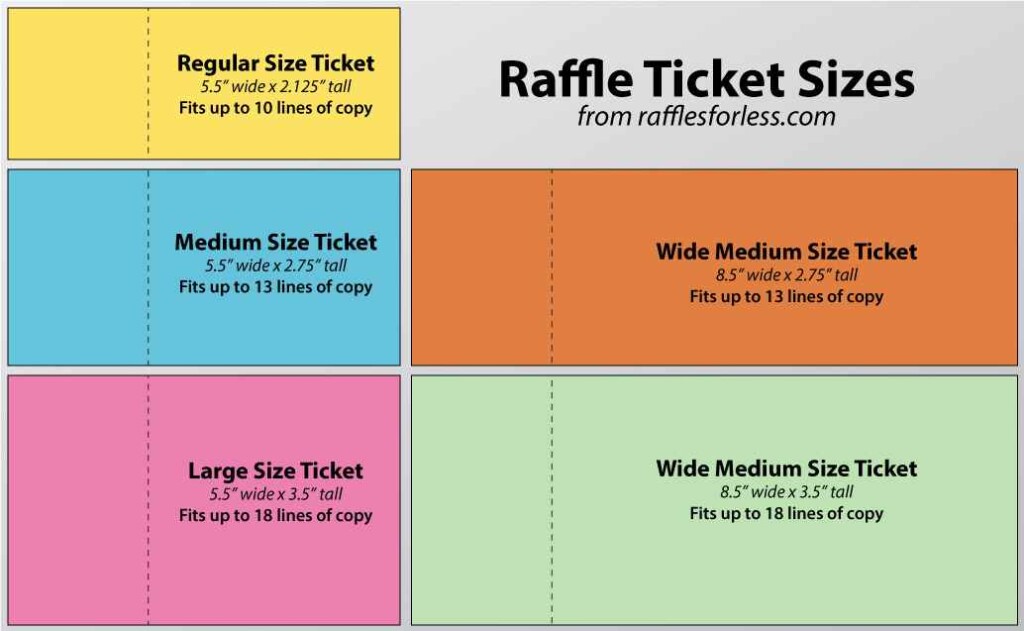
Step 3: Order Professional Tickets
Your raffle tickets should be easy to read and properly numbered.
Consider including:
- Organization name
- Ticket number
- Drawing date
- Prize information
- Contact details
- Required legal information
Learn more about the information to include on a raffle ticket:
For a professional presentation, consider custom printed raffle tickets:
Step 4: Organize Ticket Sales
Assign volunteers clear responsibilities for distributing tickets, recording sales, collecting payments, and returning unsold tickets.
Numbered tickets make it easier to maintain accurate records and conduct the final drawing.
Step 5: Promote Consistently
Do not wait until the final week.
Use newsletters, email, social media, school events, posters, flyers, community partners, and personal outreach.
Step 6: Conduct the Drawing Transparently
Close ticket sales according to your published rules. Keep the drawing organized and document the winning ticket number.
Then notify the winner and retain the records required by your organization and applicable regulations.
Promote Your Raffle Like a Campaign
Good fundraiser raffles need visibility.
Use a simple promotional message:
What: School technology raffle
Prize: $500 electronics package
Ticket: $5 each
Goal: Raise $5,000 for classroom technology
Drawing: October 15
This approach immediately answers the questions supporters have.
Create a promotional schedule that includes:
- Launch announcement
- Prize photos
- Weekly reminders
- Progress updates
- Volunteer sales pushes
- Final countdown
- Winner announcement
For additional promotion ideas, see how to promote your raffle with posters and flyers:
Follow U.S. Raffle Laws
This is one of the most important parts of running a raffle.
Raffles are generally regulated at the state and sometimes local level. Requirements can differ substantially depending on where your organization operates. Rules may address eligibility, permits, prize values, ticket sales, advertising, recordkeeping, and online sales.
The IRS also treats raffles as gaming activities for tax purposes. Its guidance notes that many states and localities regulate gaming by exempt organizations, so federal tax guidance does not replace state or local requirements.
Use Raffles For Less’ U.S. raffle laws by state guide as a starting point, then verify the current requirements with the appropriate state or local authority:
Also remember that raffle participants should not automatically assume their ticket purchase is a charitable deduction. The IRS states that amounts paid for raffle or lottery tickets generally cannot be deducted as charitable contributions.
If someone wins a raffle prize, federal tax rules may also apply. The IRS identifies lottery and raffle winnings as gambling winnings and says taxable winnings can include the fair market value of noncash prizes.
Because laws and tax requirements can change, treat this article as general educational information rather than legal or tax advice.
Common Raffle Fundraising Mistakes
Avoid these problems when planning your campaign:
- Starting without checking the law
Legal requirements should be confirmed before ticket sales begin. - Choosing a prize nobody wants
A prize should match the interests of your audience. - Pricing tickets without a revenue goal
Work backward from your target instead of guessing. - Promoting too late
Give supporters several opportunities to see and share the raffle. - Using unclear tickets
Missing information can create confusion and disputes. - Poor recordkeeping
Track ticket numbers, payments, inventory, and winners carefully. - Making the process complicated
Simple pricing and clear instructions make participation easier.
For a deeper look at common problems, read how to avoid a fundraising raffle fail:
Raffle Fundraising Checklist
Before launching your campaign, confirm:
- Fundraising goal established
- Raffle format selected
- State and local requirements checked
- Required permit obtained, if applicable
- Prizes secured
- Ticket price established
- Tickets ordered
- Ticket information reviewed
- Volunteer responsibilities assigned
- Marketing materials prepared
- Sales deadline established
- Drawing procedure documented
- Winner notification process prepared
- Financial and raffle records organized
Conclusion
Successful raffle fundraising is less about luck and more about preparation. The strongest campaigns begin with a clear fundraising goal, an appealing prize, sensible ticket pricing, organized sales, consistent promotion, and careful attention to applicable rules.
Whether you are planning a school event, nonprofit campaign, church fundraiser, sports fundraiser, or community project, a raffle can be a flexible way to raise money and engage supporters.
Start by defining what you want to accomplish, then build your raffle around that goal. Use professional tickets, communicate clearly, track every sale, and verify the rules before launching.
With the right planning, your next fundraising raffle can become more than a one-time event. It can become a repeatable fundraising strategy your organization can improve year after year.
FAQs
1. What is raffle fundraising?
Raffle fundraising is a fundraising method where an organization sells tickets that give participants a chance to win one or more prizes. The organization uses the proceeds to support a designated fundraising goal.
2. How do you run a raffle fundraiser?
To run a raffle fundraiser, set a fundraising goal, check applicable laws, select prizes, establish ticket pricing, order tickets, organize volunteers, promote the raffle, sell tickets, conduct the drawing, and document the results.
3. Are raffles good for fundraising?
Yes. Raffles can be effective because they offer an affordable way for supporters to participate while giving organizations an opportunity to raise revenue. Results depend on the prize, audience, pricing, promotion, and execution.
4. What makes a good raffle fundraiser?
A good raffle fundraiser has a desirable prize, straightforward ticket pricing, clear rules, professional tickets, consistent promotion, accurate records, and a transparent drawing process.
5. What are the best raffle ideas for fundraisers?
Popular options include single-prize raffles, multi-prize raffles, basket raffles, 50/50 raffles, themed raffles, and calendar raffles. The best format depends on your audience, budget, timeline, and local rules.
6. How much should raffle tickets cost?
There is no single price that works for every campaign. Consider your fundraising target, expected ticket sales, prize value, expenses, audience, and legal requirements. Offering bundles can encourage supporters to purchase multiple entries.