When organizing a fundraiser, few details matter more than properly designed raffle ticket stubs. Matching tickets and stubs is not just about appearance, they ensure accurate tracking, secure prize draws, and smooth event operations.
Many organizers focus on selling tickets but overlook how important a well-planned raffle ticket stub system really is. If the stub doesn’t match the main ticket clearly and professionally, confusion can happen during the draw.
This guide walks you step-by-step through designing professional, matching tickets and stubs that look polished and function flawlessly.
Why Matching Raffle Ticket Stubs Matter
Every raffle has two essential parts:
- The main ticket (kept by the buyer)
- The raffle ticket stub (retained by the organizer for drawing)
If these two parts don’t match properly, it can create issues with verification, winner identification, or even disputes.
Well-designed raffle ticket stubs help with:
- Accurate winner selection
- Clear record-keeping
- Fraud prevention
- Faster drawing process
- Professional presentation
If you’re new to event planning, reviewing practical advice from the raffle fundraising resource center can help you understand the complete process from design to execution.
Step 1: Include Matching Sequential Numbers
The most important feature of stub raffle tickets is matching numbers.
Each ticket must have a unique number printed on:
- The buyer’s portion
- The raffle ticket stub
Sequential numbering prevents duplication and ensures fairness. It also makes tracking sold and unsold tickets much easier.
If you’re unsure why numbering matters so much, understanding the purpose of the numbers on raffle tickets will clarify how numbering protects both organizers and participants.
Step 2: Add Essential Event Information to Both Sections
Your ticket and stub should contain the same key details. This prevents confusion and makes validation simple during the draw.
Include:
- Organization name
- Event name
- Date and time of drawing
- Location
- Contact information
For a full breakdown, reviewing information to include on a raffle ticket ensures you don’t miss any critical detail.
Keeping details consistent between the main ticket and raffle ticket stub builds credibility and avoids misunderstandings later.
Step 3: Create a Clean and Practical Ticket Stub Design
Strong ticket stub design balances readability with functionality. Avoid cluttering the stub with unnecessary graphics. The stub should focus on essential buyer information.
Common fields to include on the stub:
- Buyer name
- Phone number
- Email address
- Ticket number
Leave enough writing space for clear handwriting if tickets are sold manually.
If you want inspiration for modern layouts, exploring fresh event ticket design ideas shaping modern events, can help you create something professional yet easy to use.
Step 4: Use Perforation for Easy Separation
Perforation ensures clean tearing between the ticket and stub. Without perforation, tickets can tear unevenly, damaging numbers or text.
Professional printing services usually provide precise perforation alignment. If you are printing yourself, make sure the tear line is clearly marked and accurately positioned.
If you’re considering outsourcing production, researching how to find reliable raffle ticket printing services can save time and prevent common printing errors.
Step 5: Match Branding Across Both Sections
Consistency builds trust. Your ticket and raffle ticket stub should share:
- Logo placement
- Brand colors
- Font styles
- Layout structure
Branded tickets look more legitimate and increase buyer confidence. Organizations that integrate branding effectively often see improved participation.
If you want deeper guidance, reviewing how to incorporate your brand into printable blank raffle tickets can help elevate your design quality.
Step 6: Decide Between DIY and Professional Printing
You have two main options:
Printing at Home
Printing at home works for small events. However, alignment, numbering, and perforation can be difficult without proper equipment.
If you’re considering this route, making raffle tickets at home requires careful formatting and test printing.
Professional Printing
Professional printers handle:
- Sequential numbering
- Clean perforation
- Cardstock quality
- Bulk quantities
Large fundraisers benefit from professional raffle ticket printing services, especially when accuracy and volume matter.
Step 7: Choose the Right Ticket Size
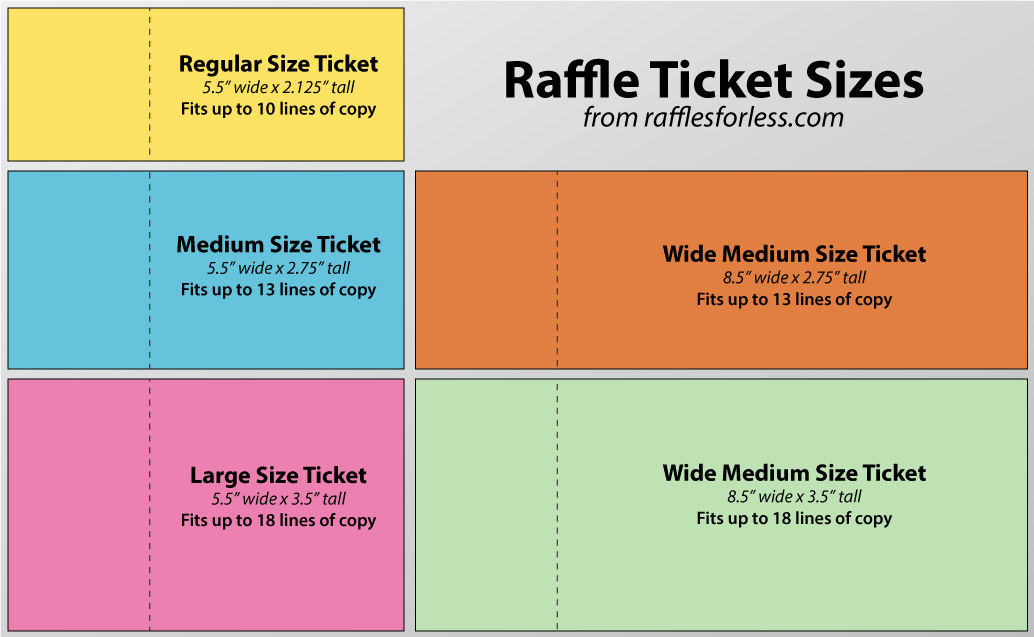
Size affects usability. If the ticket is too small, it becomes difficult to write on. Too large, and it feels bulky.
Common formats include:
- 2” x 5.5”
- 2” x 6”
- 3” x 7”
Reviewing the best raffle ticket sizes can help you choose dimensions that balance space and portability.
Step 8: Plan for Legal and Tax Requirements
Depending on your location, raffles may have specific legal requirements. Some states require:
- License numbers printed on tickets
- Organization registration details
- Specific disclaimer wording
Before printing large quantities, check the US raffle laws by state to ensure compliance.
If operating in Texas, for example, reviewing Texas raffle laws complete guide to legal raffles, or what the rules are for holding a raffle in Texas can help you avoid compliance mistakes.
Legal compliance should always appear on both the main ticket and the raffle ticket stub when required.
Step 9: Avoid Common Design Mistakes
Many organizers rush the design process and make preventable errors, such as:
- Misaligned numbering
- Weak perforation placement
- Inconsistent ticket and stub details
- Overcrowded layout
- Missing contact information
Understanding mistakes to avoid when printing raffle tickets can save you from costly reprints.
Careful proofreading and test prints are essential before full production.
Step 10: Align Ticket Design with Pricing Strategy
Your ticket design should reflect your pricing level. Premium events may require thicker cardstock and more polished layouts, while smaller community raffles can use simpler formats.
If you’re still deciding on pricing, reviewing how to price raffle tickets for a fundraiser, or what are reasonable raffle ticket prices, can help align design quality with revenue goals.
When pricing and design match audience expectations, raffle ticket sales typically increase.
Bonus Tip: Design with Future Growth in Mind
If you plan to run raffles regularly, create a flexible template that can be reused. A consistent layout saves time and builds brand recognition.
Organizations that regularly host raffles often refine their designs over time using insights from the ultimate guide to custom raffle ticket creation and printing.
Good design isn’t just about one event; it’s about building a reliable system.
Final Thoughts
Creating matching raffle ticket stubs is about more than appearance. It’s about organization, accuracy, compliance, and professionalism.
By ensuring:
- Matching sequential numbers
- Clear event details (including all the important details typically included on a raffle ticket)
- Clean ticket stub design
- Proper perforation
- Legal compliance with state raffle regulations
- Consistent branding
You create a smoother drawing process and build participant trust.
When your tickets and raffle ticket stubs are designed thoughtfully, your event runs efficiently, your team works confidently, and your raffle feels legitimate and well-organized, exactly what every successful fundraiser needs.