When planning a fundraising event, one of the biggest decisions you’ll face is choosing between a silent auction vs raffle. Both fundraising methods have helped schools, nonprofits, churches, sports teams, and community organizations raise thousands of dollars, but they work in very different ways.
A silent auction encourages competitive bidding on donated items, while a raffle gives participants the chance to win prizes through a random drawing. Each option offers unique advantages depending on your audience, budget, event type, and fundraising goals.
In this guide, you’ll learn the key differences between a silent auction vs raffle, compare their costs and revenue potential, understand legal considerations, and discover which fundraising strategy is most likely to maximize your profits.
What Is a Silent Auction?
A silent auction is a fundraising event where donated items are displayed for guests to bid on without the assistance of a live auctioneer. Instead of calling out bids, participants write their offers on bid sheets or place bids using mobile auction software. Once the auction closes, the highest bidder wins each item.
Silent auctions are popular because they combine fundraising with entertainment, encouraging friendly competition among attendees.
They’re commonly used at:
- Charity galas
- School fundraising events
- Corporate charity functions
- Nonprofit dinners
- Community celebrations
- Hospital foundation events
Unlike traditional auctions, silent auctions allow guests to browse items at their own pace while enjoying the rest of the event.
How Does a Silent Auction Raise Money?
The success of a silent auction depends on competitive bidding. As multiple guests compete for the same item, the final selling price often exceeds its estimated value.
High-performing auction items typically include:
- Vacation packages
- Signed sports memorabilia
- Luxury gift baskets
- Restaurant gift cards
- Electronics
- Spa experiences
- Weekend getaways
- VIP event tickets
Organizations that secure unique or exclusive experiences often generate the highest returns because bidders perceive greater value.
A well-planned silent auction also benefits from strategic item placement, attractive displays, and effective event promotion before bidding begins.
What Is a Raffle?
A raffle is another popular fundraising method where participants purchase tickets for the chance to win one or more prizes. Instead of bidding against one another, everyone has an equal opportunity to win because the winners are selected randomly during a prize drawing.
Because raffle tickets are affordable, raffles encourage broad community participation and can attract far more supporters than a silent auction.
Many organizations choose raffles because they’re simple to organize and can continue generating revenue before the actual event.
Common raffle formats include:
- 50/50 raffles
- Gift basket raffles
- Cash prize raffles
- Holiday raffles
- Calendar raffles
- Online raffles
- Reverse raffles
- Sports team raffles
Unlike auctions, participants don’t need large budgets to take part. Buying a few inexpensive tickets allows almost anyone to support the cause.
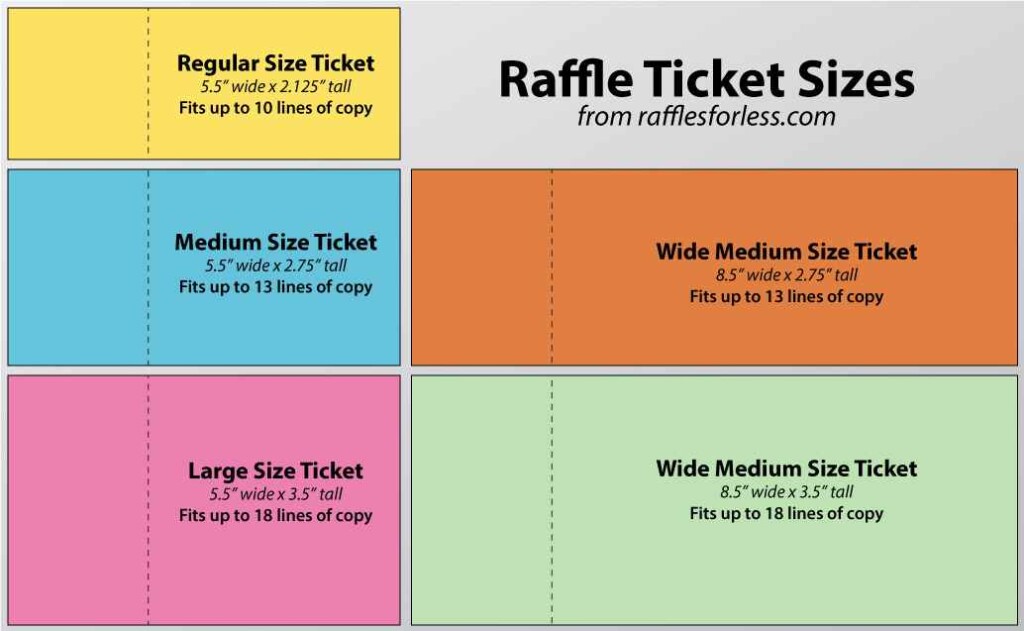
If you’re organizing your first fundraiser, using professionally printed raffle tickets and a clear pricing strategy can significantly increase ticket sales while creating a more trustworthy experience for buyers.
Silent Auction vs Raffle: Understanding the Biggest Differences
Although both fundraising methods aim to generate donations, they appeal to supporters in completely different ways.
A silent auction vs raffle comparison shows that auctions rely on competition, while raffles rely on excitement and chance.
Here are the major differences.
| Feature | Silent Auction | Raffle |
| Revenue Source | Competitive bidding | Ticket sales |
| Winner Selection | Highest bidder | Random drawing |
| Entry Cost | Higher | Lower |
| Planning Required | Moderate to High | Low to Moderate |
| Guest Participation | Smaller groups | Large audiences |
| Works Before Event | Limited | Yes |
| Legal Requirements | Usually simple | Often regulated |
These differences influence everything from planning time to overall profitability.
Silent Auction vs Raffle: Which One Is Easier to Organize?
When comparing raffle vs silent auction, many organizers focus on planning requirements.
Generally, raffles are easier to manage.
A raffle requires:
- Prize selection
- Ticket printing
- Marketing
- Ticket sales
- Winner drawing
A silent auction involves considerably more preparation.
You’ll need to:
- Secure donated items
- Organize item displays
- Create bid sheets or mobile bidding
- Monitor bids
- Process payments
- Distribute auction items
Because of these additional responsibilities, silent auctions usually require more volunteers and longer preparation times.
However, many organizations feel the extra effort is worthwhile because premium auction items can generate substantial profits.
Revenue Potential: Which Fundraiser Makes More Money?
One of the most common questions people ask is:
Silent auction vs raffle—which raises more money?
There isn’t a universal answer because revenue depends on your audience and event strategy.
Silent Auctions Perform Best When:
- Your attendees have higher disposable income.
- You have valuable donated items.
- Guests enjoy competitive bidding.
- Your fundraiser includes a formal dinner or gala.
- Businesses donate premium experiences.
In these situations, individual auction items can sell for hundreds or even thousands of dollars.
For example, an exclusive vacation package, VIP sports tickets, or signed memorabilia may attract aggressive bidding and significantly exceed its market value.
Raffles Perform Best When:
A silent raffle or traditional raffle often generates better overall revenue when your goal is maximum participation.
Raffles work especially well for:
- Schools
- Churches
- Youth sports organizations
- Volunteer groups
- Community festivals
- Local charities
Because ticket prices remain affordable, many supporters purchase multiple tickets to improve their chances of winning.
Instead of relying on a few large donations, raffles generate income through volume.
Selling 2,000 raffle tickets at $10 each can often produce more total revenue than a smaller silent auction, especially when marketing begins several weeks before the event.
Raffle vs Auction: Which Is Better for Different Events?
Choosing between a raffle vs auction depends largely on the type of fundraiser you’re hosting.
Formal Charity Gala
A silent auction usually performs better because attendees expect premium experiences and are comfortable spending more money on exclusive items.
School Fundraiser
A raffle often delivers stronger results because families can participate regardless of their budget.
Church Fundraiser
Raffles encourage broad community involvement and are simple for volunteers to manage.
Corporate Charity Event
Silent auctions typically attract higher bids, particularly when local businesses donate luxury products or unique experiences.
Community Festival
Large crowds and affordable ticket prices make raffles an excellent choice for festivals, fairs, and outdoor fundraising events.
Matching your fundraising method to your audience is often more important than choosing the format with the highest potential revenue.
Silent Auction Psychology vs Raffle Psychology
Understanding donor behavior helps explain why each fundraiser succeeds.
A silent auction appeals to people’s competitive nature.
Participants often increase their bids because they don’t want someone else to win an item they’ve already become emotionally invested in. The excitement grows as the auction closing time approaches, encouraging last-minute bidding wars that increase final revenue.
A raffle creates a different emotional response.
Instead of competing with other guests, participants experience the thrill of possibility. Even with a small investment, they feel they have a chance to win an exciting prize. This low-risk opportunity encourages people to purchase multiple tickets, especially when attractive prizes and limited-time promotions create a sense of urgency.
Neither approach is inherently better. They simply motivate donors in different ways, making each one effective for different audiences and fundraising goals.
Cost Comparison: Silent Auction vs Raffle
While revenue is important, your fundraising success ultimately depends on how much money remains after expenses. Comparing the costs of a silent auction vs raffle helps you determine which option offers the best return on investment.
Silent Auction Costs
Silent auctions often require a larger upfront investment because they involve more planning and event management. Typical expenses include:
- Venue rental or event upgrades
- Bid sheets or mobile bidding software
- Table displays and decorations
- Payment processing fees
- Marketing materials
- Volunteer coordination
- Item packaging and signage
Although many auction items are donated, organizing and presenting them professionally requires additional time and resources.
Raffle Costs
Raffles are generally more affordable to organize. Common expenses include:
- Raffle ticket printing
- Prize purchases (if not donated)
- Marketing and promotion
- Drawing equipment
- Permit or licensing fees (where required)
Professional ticket printing can improve buyer confidence and make your fundraiser appear more credible. A well-designed ticket also helps reinforce your organization’s branding and encourages supporters to purchase multiple entries.
Is a Silent Auction Considered Gambling?
One of the most frequently asked questions is, “Is a silent auction considered gambling?”
In most cases, no.
A silent auction involves purchasing an item through competitive bidding rather than paying for a random chance to win. Because the highest bidder receives the item they selected, silent auctions generally aren’t classified as gambling under U.S. law.
However, laws vary by state, so organizations should always review local regulations before hosting any fundraising event.
Is a Silent Auction Considered a Raffle?
Another common question is whether a silent auction is considered a raffle.
The answer is no.
Although both are fundraising activities, they operate differently.
A raffle is based entirely on chance. Participants purchase tickets, and winners are selected randomly.
A silent auction is based on competitive bidding, where the highest bidder wins the item.
Understanding this distinction is important because raffles are often subject to additional legal requirements that don’t apply to silent auctions.
Legal Considerations for Raffles
Unlike silent auctions, raffles are regulated in many U.S. states.
Depending on where your organization operates, you may need to:
- Register your fundraiser
- Obtain a permit or license
- Follow reporting requirements
- Display official rules
- Meet eligibility requirements for nonprofit organizations
Some states prohibit certain organizations from conducting raffles altogether, while others allow only qualified nonprofits to hold them.
Before selling raffle tickets, always review your state’s fundraising regulations to ensure compliance.
Silent Raffle: What Is It?
Many people search for “what is a silent auction raffle” or “silent raffle.”
Despite the similar names, a silent raffle isn’t the same as a silent auction.
A silent raffle typically features multiple prize baskets or donated items displayed during an event. Guests purchase raffle tickets and place them into separate containers corresponding to the prizes they hope to win.
At the end of the event, organizers randomly draw one winning ticket from each container.
This format combines the excitement of a raffle with the visual appeal of an auction display, making it especially popular at:
- School fundraising nights
- Charity dinners
- Church events
- Community festivals
- Corporate fundraising programs
Silent raffles encourage guests to purchase additional tickets because they can choose which prizes interest them most.
Pros and Cons of a Silent Auction
Advantages
- Higher bids for premium items
- Excellent for corporate sponsors
- Creates excitement through competition
- Ideal for upscale fundraising events
- Encourages larger individual donations
Disadvantages
- Requires significant planning
- More volunteers are needed
- Success depends on donated item quality
- Limited participation from lower-budget attendees
Pros and Cons of a Raffle
Advantages
- Easy to organize
- Affordable for participants
- Encourages community involvement
- Can generate revenue before the event
- Scales easily with online ticket sales
Disadvantages
- Subject to legal regulations
- Requires attractive prizes
- Revenue depends heavily on ticket sales
- Poor promotion can reduce participation
Can You Combine Both?
Absolutely.
Many successful nonprofits don’t choose between a raffle vs silent auction—they use both.
Combining multiple fundraising activities allows organizations to appeal to different types of donors.
A popular event structure includes:
- Silent auction for premium donors
- 50/50 raffle for general attendees
- Gift basket raffle for families
- Donation stations throughout the venue
This hybrid strategy increases participation while creating multiple revenue streams from a single event.
Common Mistakes That Reduce Fundraising Revenue
Whether you choose an auction vs raffle, avoiding common mistakes can significantly improve your results.
Silent Auction Mistakes
- Offering too many low-value items
- Poor item descriptions
- Inadequate lighting or displays
- Closing bidding too early
- Limited payment options
Raffle Mistakes
- Weak or unappealing prizes
- Poor-quality raffle tickets
- Confusing contest rules
- Underpricing ticket bundles
- Insufficient marketing before the event
Planning ahead and promoting your fundraiser consistently are two of the most effective ways to maximize participation.
Silent Auction vs Raffle: Which One Should You Choose?
Choosing between a raffle or silent auction depends on your fundraising goals.
Choose a Silent Auction If:
- You’re hosting a formal gala or dinner.
- Your audience has higher purchasing power.
- You have valuable donated items.
- You want fewer but larger transactions.
- You have volunteers available to manage bidding.
Choose a Raffle If:
- You want maximum community participation.
- Your audience includes families and local supporters.
- You prefer lower planning costs.
- You want to sell tickets before the event.
- You need a fundraiser that’s easy to repeat each year.
The best fundraising strategy aligns with your audience rather than simply choosing the option with the highest revenue potential.
Frequently Asked Questions
Which raises more money: a silent auction or raffle?
It depends on your audience. Silent auctions often generate higher individual donations, while raffles usually produce greater participation and can generate higher overall revenue through ticket sales.
Can I hold both at the same event?
Yes. Many nonprofits combine a silent auction with a raffle to maximize fundraising opportunities and appeal to different types of donors.
Do I need a permit for a raffle?
Possibly. Raffle laws vary by state, and many jurisdictions require permits or impose restrictions on nonprofit fundraising activities.
Are silent auctions easier to organize?
No. Silent auctions generally require more planning, volunteers, and donated items than raffles.
What types of prizes perform best?
Exclusive experiences, travel packages, electronics, gift baskets, sports memorabilia, restaurant vouchers, and locally donated services consistently attract strong interest from supporters.
Final Verdict
The debate over silent auction vs raffle doesn’t have a one-size-fits-all answer. Both fundraising methods can be highly successful when matched with the right audience and executed effectively.
If you’re organizing an upscale gala, corporate charity event, or donor appreciation dinner, a silent auction can generate impressive returns by encouraging competitive bidding on premium items.