Raffles are one of the most popular fundraising tools for schools, charities, and events. At the heart of every successful raffle lies numbered raffle tickets. Understanding how these tickets are numbered, sequentially or randomly, can help organizers improve transparency, track sales efficiently, and boost participant trust.
In this guide, we’ll cover everything you need to know about raffle ticket numbers, printable raffle tickets numbered, and custom numbered raffle tickets, along with practical tips for designing and selling them.
What Are Numbered Raffle Tickets?
Numbered raffle tickets are tickets that have unique numbers printed on them. These numbers allow organizers to:
- Track ticket sales accurately
- Identify winners easily
- Maintain fairness in draws
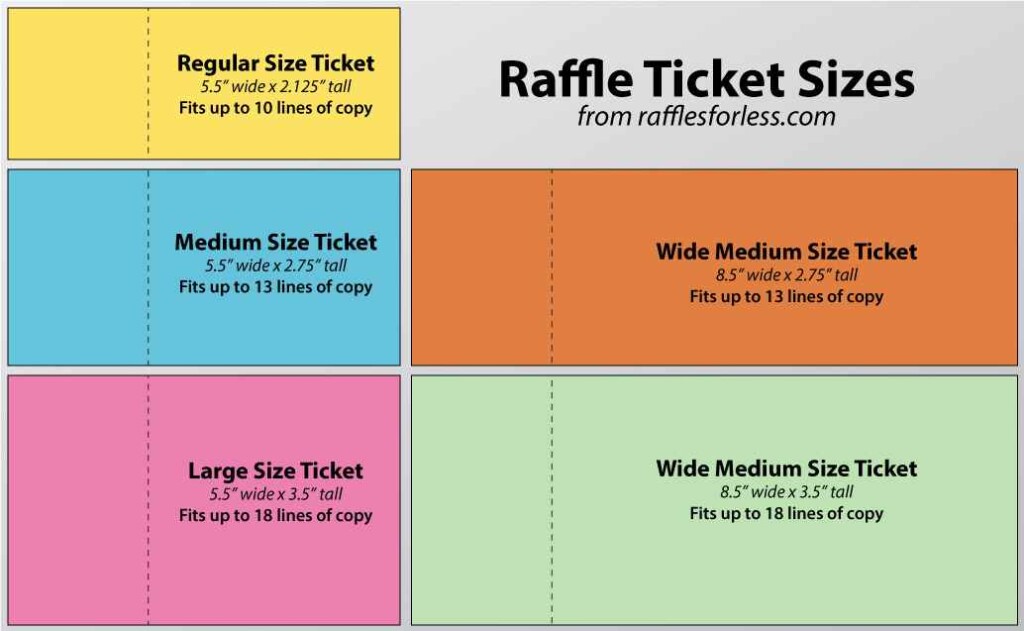
Numbered tickets come in physical or printable formats, making them flexible for both small events and large-scale fundraisers. You can find templates for numbered printable raffle tickets here.
Why Numbering Matters
Numbering your raffle tickets is more than just a formality. Here’s why it’s crucial:
- Transparency: Participants can see that each ticket is unique.
- Accounting: Makes it easier to reconcile sales and prevent missing tickets.
- Auditability: For larger events, numbered tickets help auditors verify fairness.
- Fraud Prevention: Random or sequential numbers prevent duplicate ticket claims.
For more tips on holding a successful raffle, check these helpful tips.
Sequential vs Random Numbering
When it comes to raffle ticket numbers, organizers often face a choice: sequential or random numbering. Let’s break down both approaches.
| Feature | Sequential Numbering | Random Numbering |
| Definition | Numbers are printed in order (1, 2, 3…) | Numbers are printed without a set order |
| Pros | Easy to track and audit; prevents duplication | Adds excitement; less predictable |
| Cons | Can be predictable; some may try to game the system | Harder to track sold tickets; more complex printing |
| Best For | Small events or in-person raffles | Online raffles or large-scale lotteries |
Sequential numbering is ideal when you want simplicity and accountability, whereas random numbering adds an element of suspense for participants, enhancing engagement.
Learn more about the purpose of the numbers on raffle tickets.
How to Choose the Right Raffle Ticket Numbers
Choosing the right numbering system depends on your event size, format, and goals:
- Small Events: Sequential numbering is simpler and less expensive.
- Large Fundraisers: Random numbering prevents predictability and adds excitement.
- Custom Raffles: You can mix sequential and random numbers for specific draws.
Explore custom numbered raffle tickets for personalized options.
Printable Raffle Tickets Numbered
Many organizers prefer printable raffle tickets because they are cost-effective and easy to produce at home or via professional services. Benefits include:
- Immediate availability with downloadable templates
- Ability to customize designs, colors, and logos
- Flexibility to choose sequential or random numbering
You can find professionally designed templates for printable raffle tickets numbered.
Tips for Designing Effective Numbered Raffle Tickets
Designing tickets that are attractive and functional can increase sales. Key tips:
- Clear Numbering: Ensure each ticket number is legible.
- Branding: Include your logo or event name.
- Security Features: Consider perforations or watermarks to avoid fraud.
- Call-to-Action: Add “Buy Now” or “Win Big” prompts.
For detailed design inspiration, see raffle ticket design tips to sell more tickets.
How to Track and Manage Raffle Ticket Sales
Organizing a raffle is not just about printing tickets; it’s also about tracking them. Here’s how:
- Sequential Tickets: Use a simple log to mark sold tickets.
- Random Tickets: Maintain a database mapping numbers to participants.
- Digital Management: Consider online tools for issuing and tracking raffle ticket numbers.
Learn how to create and manage raffle tickets online.
Custom Numbered Raffle Tickets
Custom tickets allow organizers to add unique touches and enhance fundraising. Options include:
- Sequential numbers or random numbers
- Event-specific graphics and branding
- Variable ticket pricing for premium draws
For inspiration, check out custom-printed raffle tickets.
Common Raffle Ticket Questions
Q1: Can I print raffle tickets at home?
Yes, you can make printable raffle tickets numbered using templates or design software.
Q2: How do I prevent ticket duplication?
Use sequential or random numbers and track sales carefully. Adding perforations or unique codes also helps.
Q3: Are raffle ticket numbers required by law?
While laws vary by state, numbered tickets are recommended for transparency and record-keeping. See the US raffle laws by state.
Q4: Which numbering system is better for online raffles?
Random numbering adds excitement and prevents predictable outcomes.
Raffle Ticket Best Practices
To maximize your raffle success:
- Sell raffle tickets online and offline for a broader reach
- Keep a clear record of sold and available ticket numbers
- Consider custom designs to attract participants
- Offer sequential tickets for accountability or random tickets for engagement
More tips are available in Tips for Holding a Successful Raffle.
Conclusion
Understanding numbered raffle tickets, including sequential vs random numbering, is essential for running a fair, engaging, and profitable raffle. Whether you’re printing tickets at home or ordering custom numbered raffle tickets, the key is clarity, tracking, and participant trust.
For professional services, explore how to find reliable raffle ticket printing services and printable options.